CURRENT EXHIBITION
PAST EXHIBITIONS



FEATURED PUBLICATIONS
-
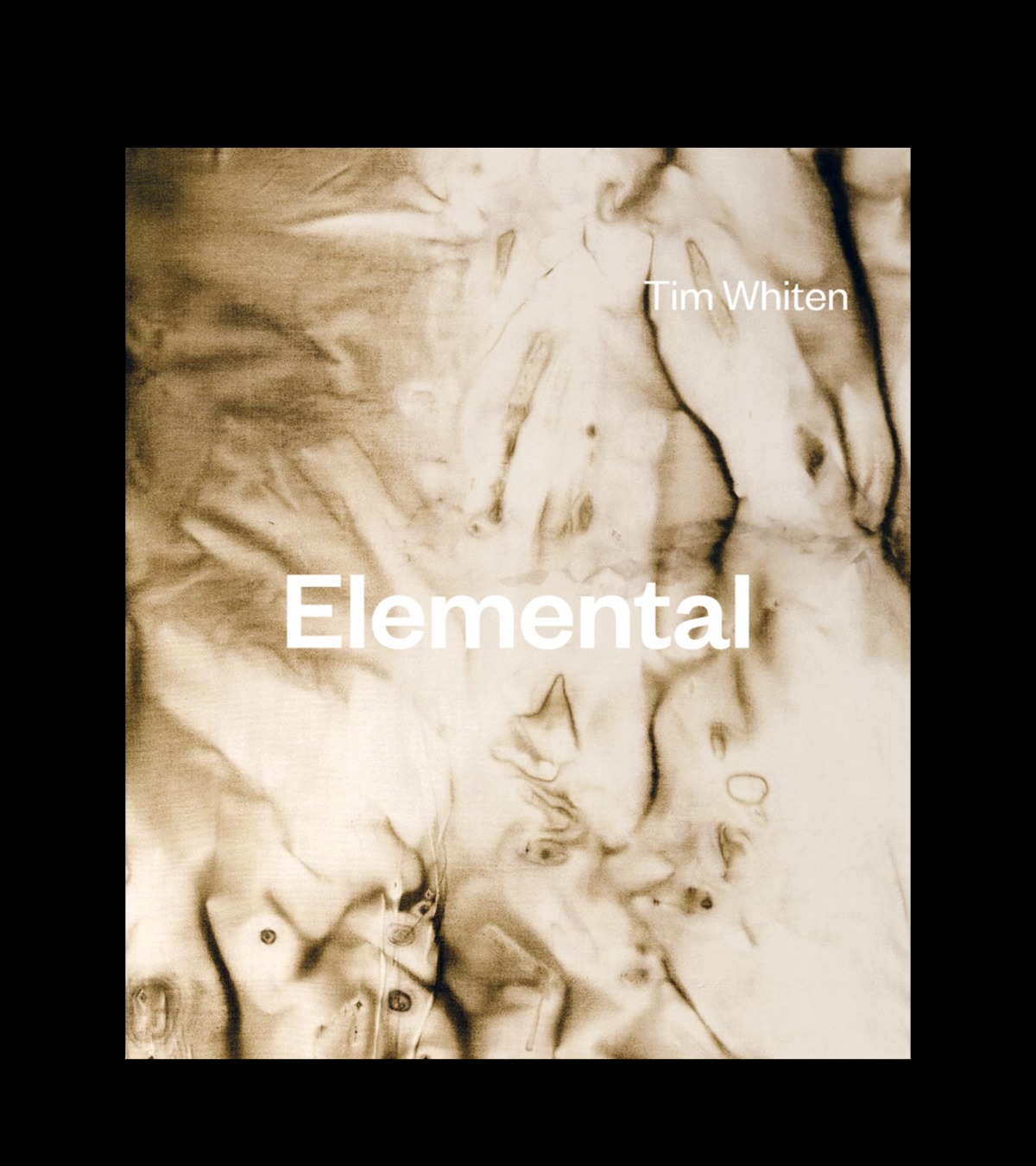
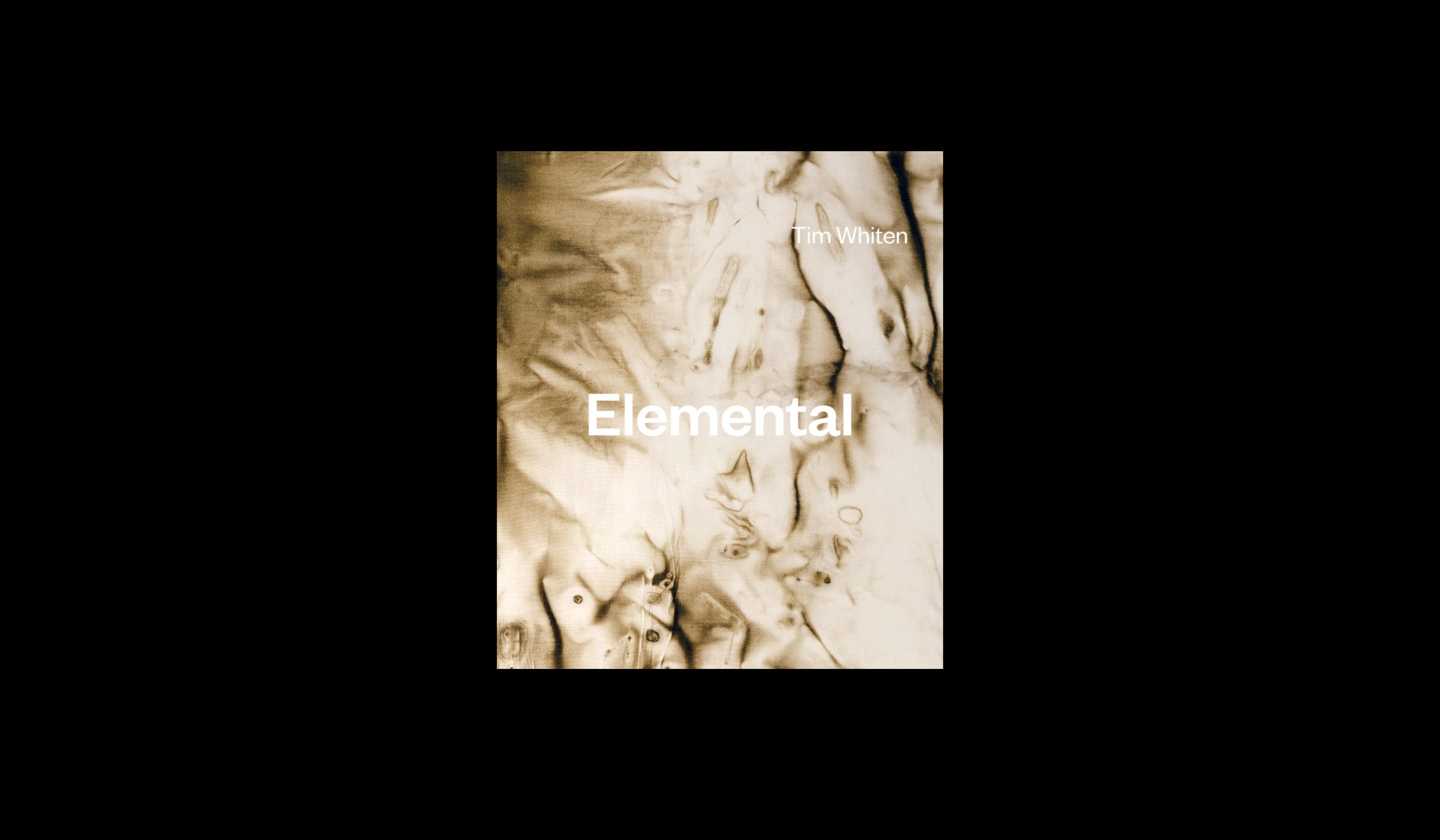
ELEMENTAL
Over 2022 and 2023, a series of four exhibitions of the work of Tim Whiten, curated by four different curators, took place at four different galleries in southern Ontario: the McMaster Museum of Art, curated by Pamela Edmonds; the Robert McLaughlin Gallery, curated by Leila Timmins; the Art Gallery of Peterborough, curated by Chiedza Pasipandoya; […]
-


The Clichettes: Lips, Wigs, and Politics
Published on the occasion of the exhibition The Clichettes: Lips, Wigs, and Politics held at the McMaster Museum of Art (M(M)A) in Hamilton, Ontario in 2024. With essays by Ivana Dizdar, Marni Jackson, John Greyson, Alexandra Schwartz, Mark Kingwell, rl Goldberg, Lillian Allen, and Wanda Nanibush. Bridging theatre, lip-sync, dance, drag, costume, and comedy, the […]
-
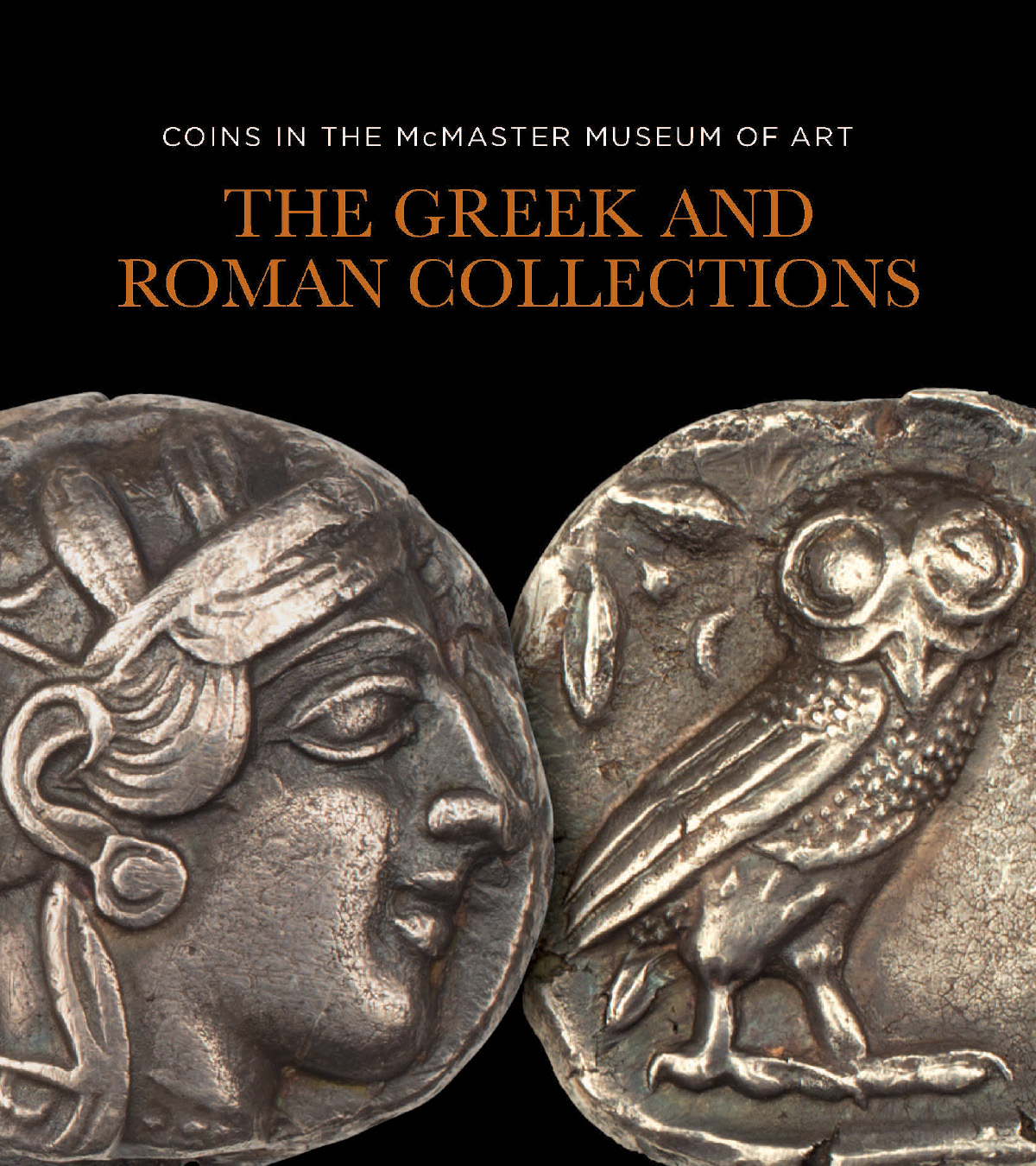
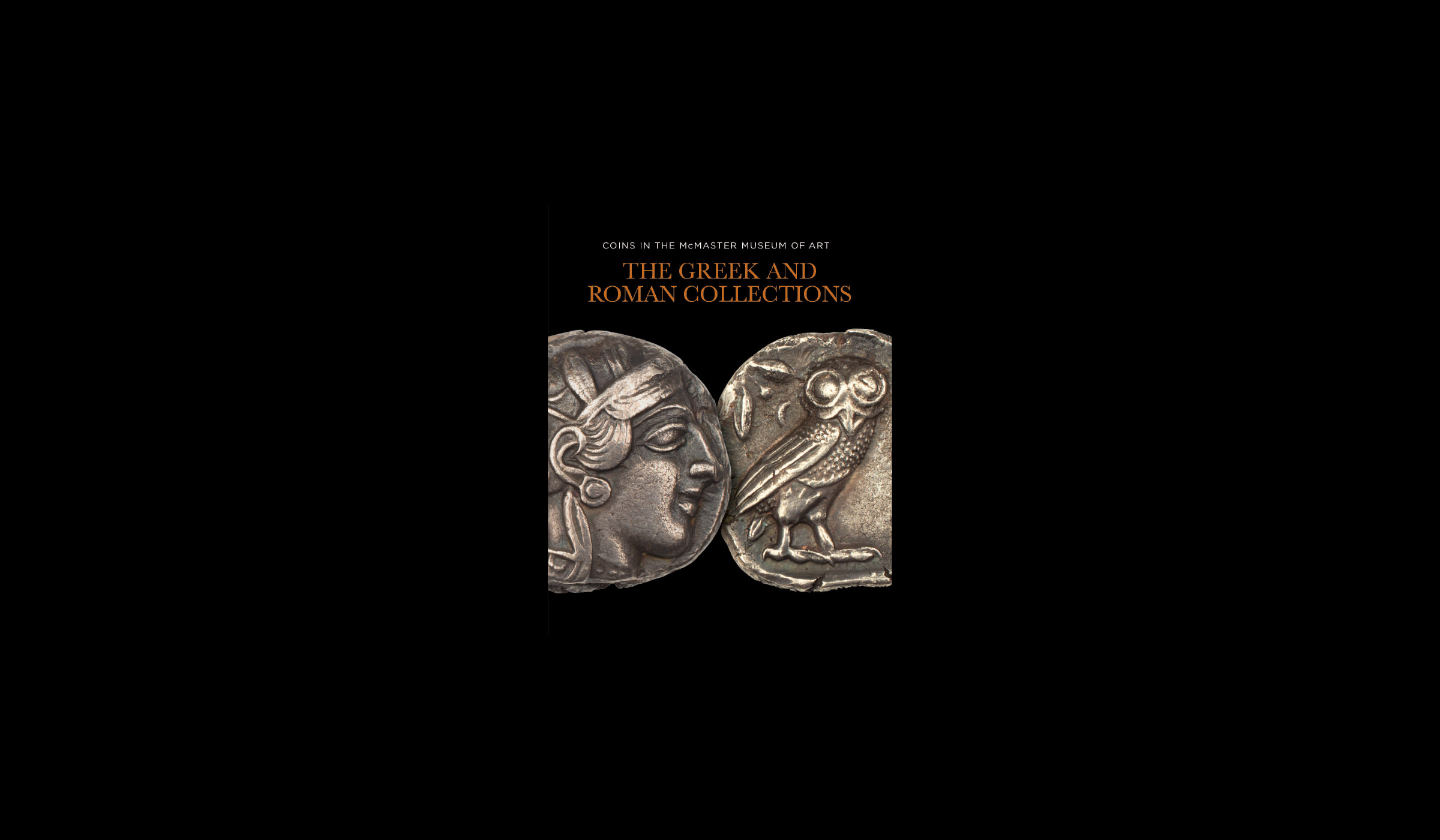
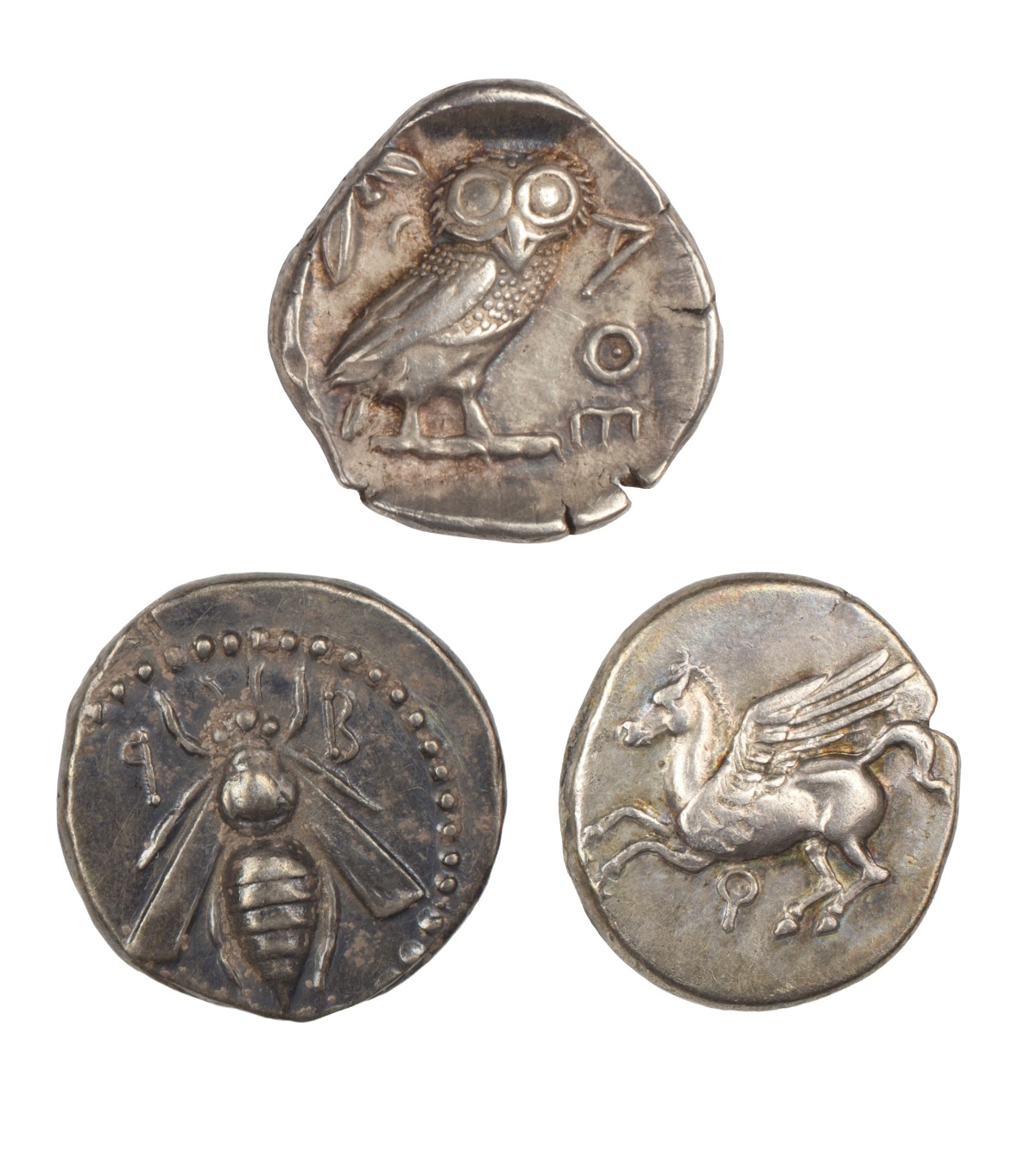
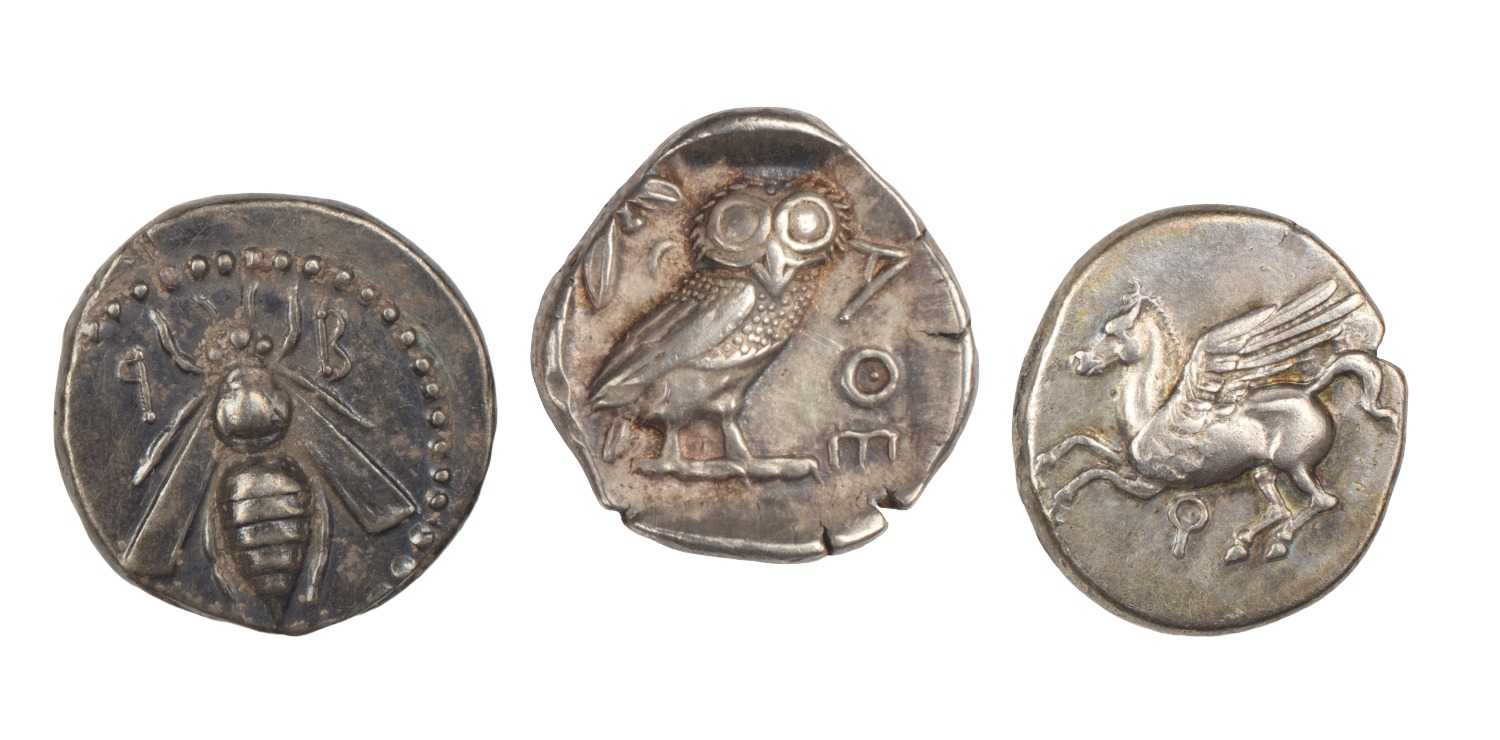
Coins in the McMaster Museum of Art: The Greek and Roman Collections
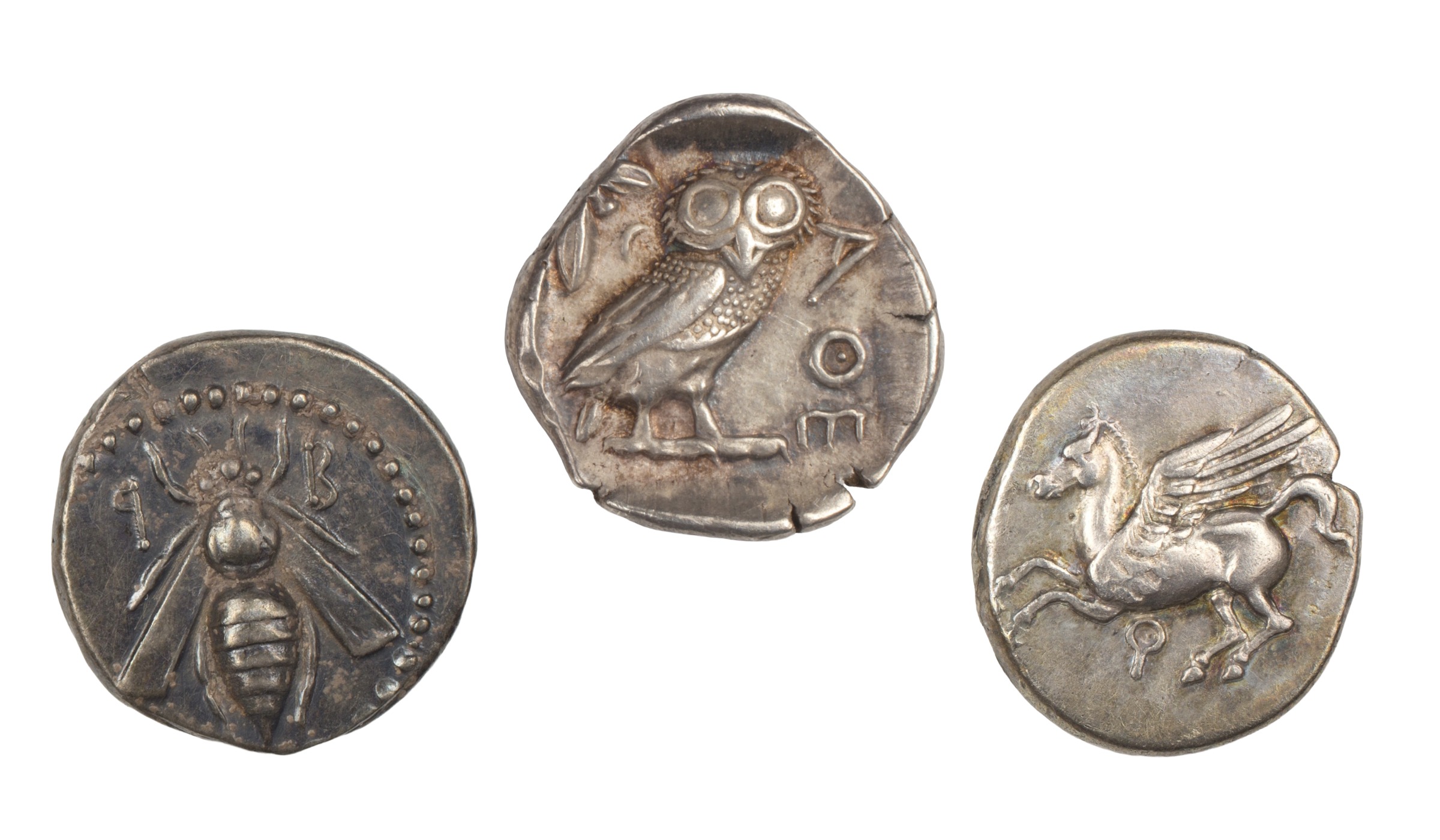
Ancient Greek and Roman coinage represents the intersection of politics, economics, and art; no other medium in the ancient world more closely reflects the decisions of administrations, the expectations of civic bodies, and detailed craftspersonship. Coins are among the most ubiquitous artifacts from Classical antiquity and despite their small size, are among the most instructive […]
-
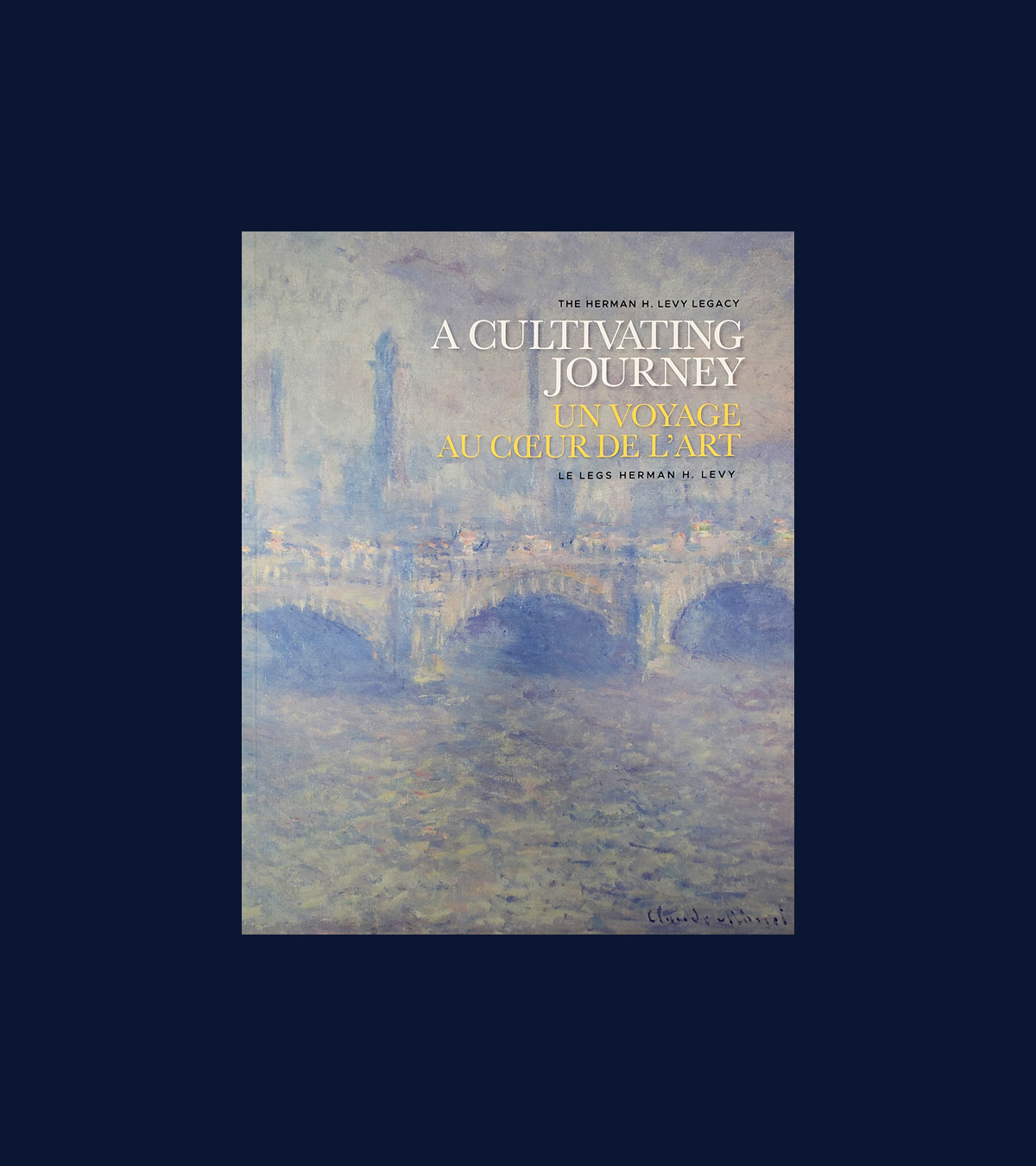
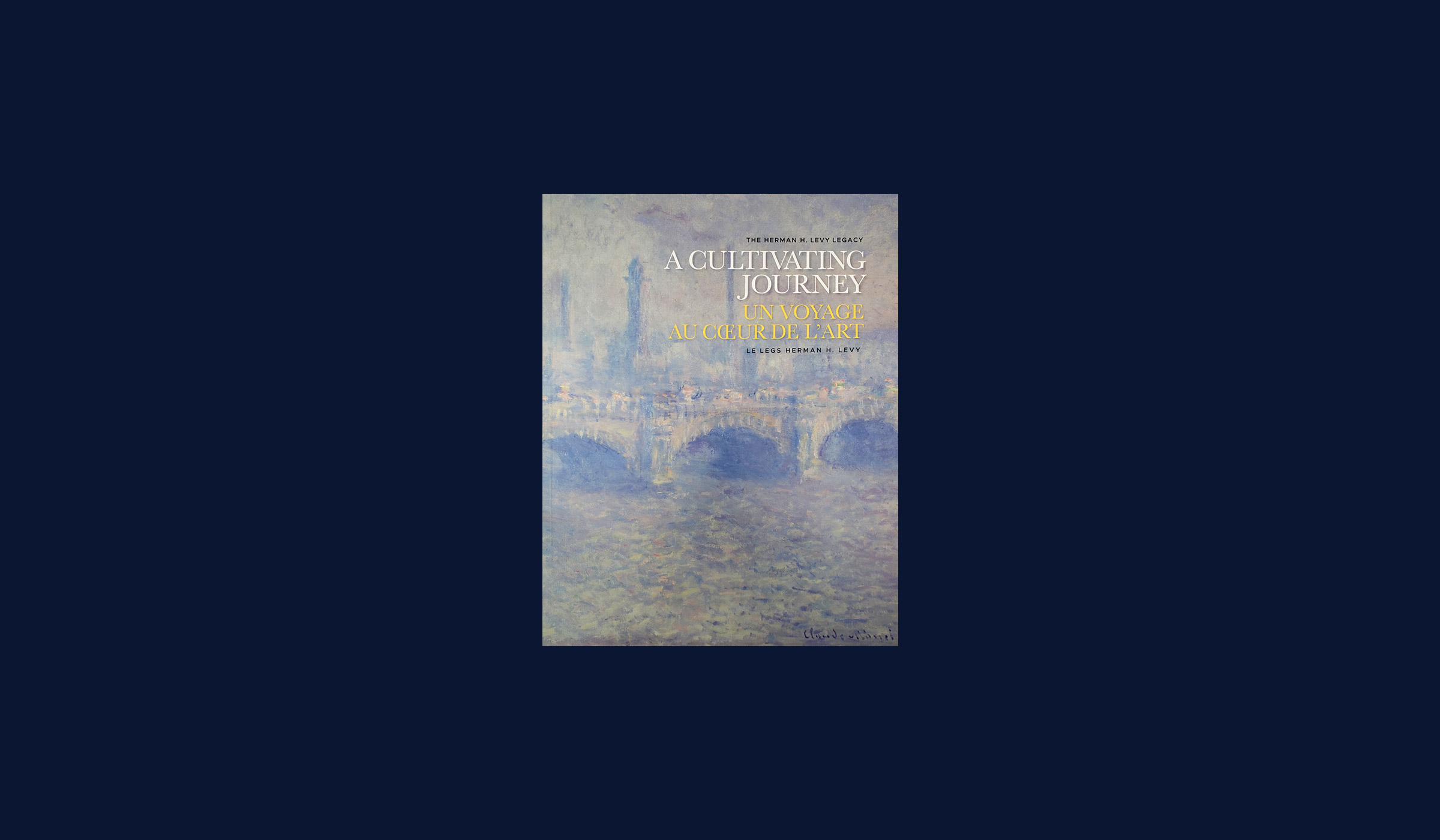
A Cultivating Journey: The Herman H. Levy Legacy
A Cultivating Journey examines the collection of significant European historical and modern art donated to the McMaster Museum of Art by Herman Levy in 1984.
SUBMISSIONS & ASSISTANCE
SUBMISSIONS:
The McMaster Museum of Art is presently not accepting artists’ submissions for exhibitions at this time of leadership change at the museum. Our Interim Director will be undertaking a review of the museum’s forward exhibition schedule, as well as our policies and procedures, in the coming months. Our present focus is the ongoing maintenance of our permanent collection and storage needs for future collection activities.
The museum remains committed to our collecting priority in the continued support of early career, mid-career and established Indigenous artists, artists of the Black diaspora and racialized artists through purchases and commissions. Donations will be welcomed and reviewed at a future date which will be posted on our website.
ASSISTANCE:
The McMaster Museum of Art is a third party recommender for Ontario Arts Council (OAC) Exhibition Assistance Grants.
The museum is currently accepting applications. Our next program deadline is: December 16, 2024.
Priorities:
Artists who demonstrate an interest and consideration of art as a medium for social change and action.
Please follow the guidelines established by the Ontario Arts Council, apply directly through their website, and submit the following with your applications:
Brief artist statement
Confirmation letter from the gallery/museum/venue
Budget
CV
Digital images of work