CURRENT EXHIBITION
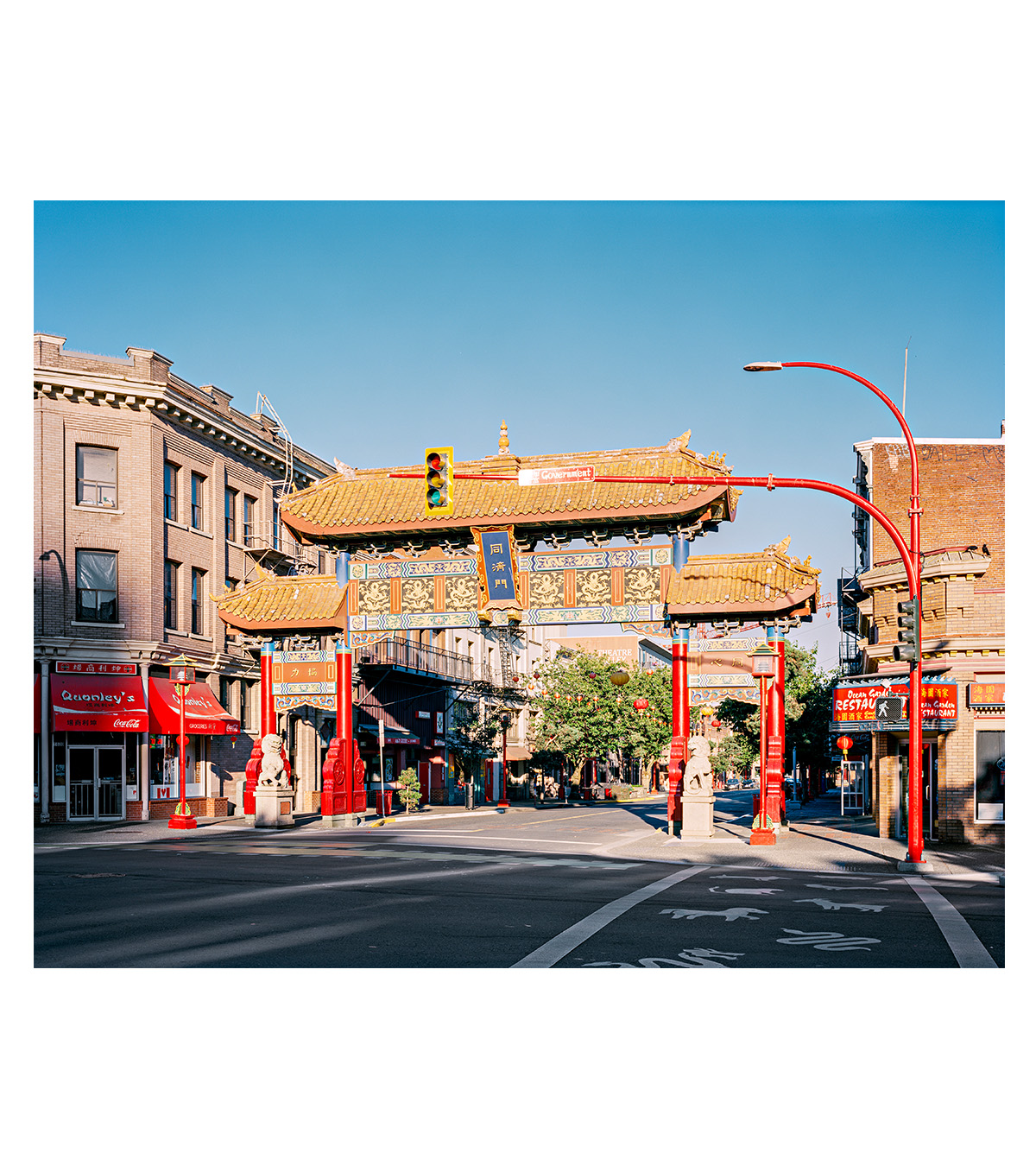
Interior Chinatown: Morris Lum | 林耀基在華埠
Interior Chinatown: Morris Lum | 林耀基在華埠 is the artist’s first institutional mid-career survey, bringing together works from a photographic practice spanning more than a decade with newly commissioned pieces. The exhibition turns to Chinatown not only as the subject of Morris Lum’s photographs, but as the cultural, spatial, and social framework through which his practice can be understood.
Lum’s images are often quiet, carefully composed, and almost uninhabited. Restaurants, storefronts, places of worship, association halls, interiors, streetscapes, and community spaces appear suspended between presence and absence. Yet their stillness is not empty. Each image is shaped by access, trust, repetition, and care: by the time required to enter these spaces, return to them, and understand how they hold memory, labour, belief, commerce, and belonging. What Lum documents is therefore not simply Chinatown as it appears, but Chinatown as he has come to know it.
The exhibition title centres the artist while placing him “in Chinatown.” Lum himself is largely absent from the images, but his position is everywhere implied: in the choice of sites, the patience of the frame, the attention to interiors, and the relationships that make the photographs possible. Chinatown becomes less a backdrop than a condition of practice: a way of seeing, but also a way of being seen through one’s belonging, obligations, and communities.
Bringing together works made across many cities and sites, the exhibition allows Lum’s Chinatowns and Chinatown-like formations to appear in relation to one another for the first time in a single institutional survey. Historic neighbourhoods, suburban commercial interiors, temples, restaurants, community organizations, martial arts practice, and archival research are not assembled as a complete map. They form a layered interior: a show within a show, where Chinatown is continually emerging, inhabited, revised, and contested.
The exhibition also acknowledges Lum’s broader community and advocacy work, including initiatives connected to the preservation and reimagining of Chinatown. Through photographs, research materials, new commissions, and community-based work, Interior Chinatown: Morris Lum | 林耀基在華埠 asks how Chinatown has shaped Lum’s practice, and how his practice asks us to look again at Chinatown.
This exhibition is produced in collaboration with Markham Public Art and the Varley Art Gallery of Markham.


Exhibition Dates: August 25, 2026 to December 4, 2026
Exhibition Reception: Thursday, September 17, 2026, 5 p.m. to 8 p.m. (remarks at 6 p.m.)
Mahjong at the Museum: Thursday, October 8, 12:00 p.m. to 2:30 p.m. Learn more and register here.
Artist and Curator Talk with Morris Lum and Yan Wu: Saturday, October 24th, 2 p.m. to 3:30 p.m. No registration required.
Join artist Morris Lum and curator Yan Wu for a guided tour and conversation through Interior Chinatown: Morris Lum | 林耀基在華埠. Together, they will discuss the development of the exhibition, Lum’s ongoing engagement with Chinatowns and Chinese diaspora communities, and the stories, encounters, and research behind the works on view. Moving through the exhibition, the conversation will offer insight into both the artist’s practice and the curatorial thinking that shaped the project.
Exhibition Guide for Interior Chinatown: Morris Lum | 林耀基在華埠
Morris Lum 林耀基, (b. 1983, Port of Spain, Trinidad and Tobago) is a Toronto-based photographer and artist whose work explores the hybrid identities of the Chinese Canadian community focusing on the transformation of Chinatowns across North America through photography, documentary practices and engaging with archival materials. In 2025 Lum published Tong Yan Gaai | Chinatowns photographs by Morris Lum a collection of photographs spanning over a decade documenting Chinatowns in North America.
Lum’s work has been exhibited and screened across Canada, and the United States and has received numerous accolades including CONTACT Photography Festival Burtynsky Grant (2023) and the A&E Short Filmmakers Award (2010). Lum holds a Masters of Fine Arts in Documentary Media from Toronto Metropolitan University (formerly Ryerson) and is an Assistant Professor of Visual Studies at the John H. Daniels Faculty of Architecture, Landscape, and Design, University of Toronto.
Yan Wu is an independent curator, translator, and writer based in Toronto. Her work focuses on the intersection of contemporary art, architecture, and urban habitats, alongside a sustained engagement with conceptual art, translation, and translingual cultural practices. She is currently Public Art Curator for the City of Markham and is pursuing a PhD at the John H. Daniels Faculty of Architecture, Landscape, and Design at the University of Toronto.
Her recent curatorial and collaborative projects include Tom Dean: GOOD-BYE at the Robert McLaughlin Gallery (2025); Between Leaf and Light by Scott Rogers at the Royal Victoria Regional Health Centre Cancer Centre (2025); Lost and Found by Holly Ward and Kevin Schmidt (2023–24) and Double Gazebo by Native Art Department International (2022), both at the Varley Art Gallery of Markham; and Miao Ying: A Field Guide to Ideology at the Art Museum at the University of Toronto (2022).
Wu has co-translated into Chinese Passages in Modern Sculpture by Rosalind Krauss, Six Years by Lucy Lippard, Rock My Religion by Dan Graham, Formless by Yve-Alain Bois and Rosalind Krauss, and Not Wanting to Say Anything About Marcel by John Cage. She also authored the Chinese text for M+’s online exhibition Marcel Duchamp: Lessons for a Creative Life from Box in a Valise. Her writing has appeared in Artforum.cn, ArtReview Asia, Canadian Art, PUBLIC, and e-flux Criticism.
Born and raised in Shanghai, Wu moved to Canada in 2001 and is now based in Toronto.
Image Credit
Morris Lum (Canadian, b. Trinidad, 1983)
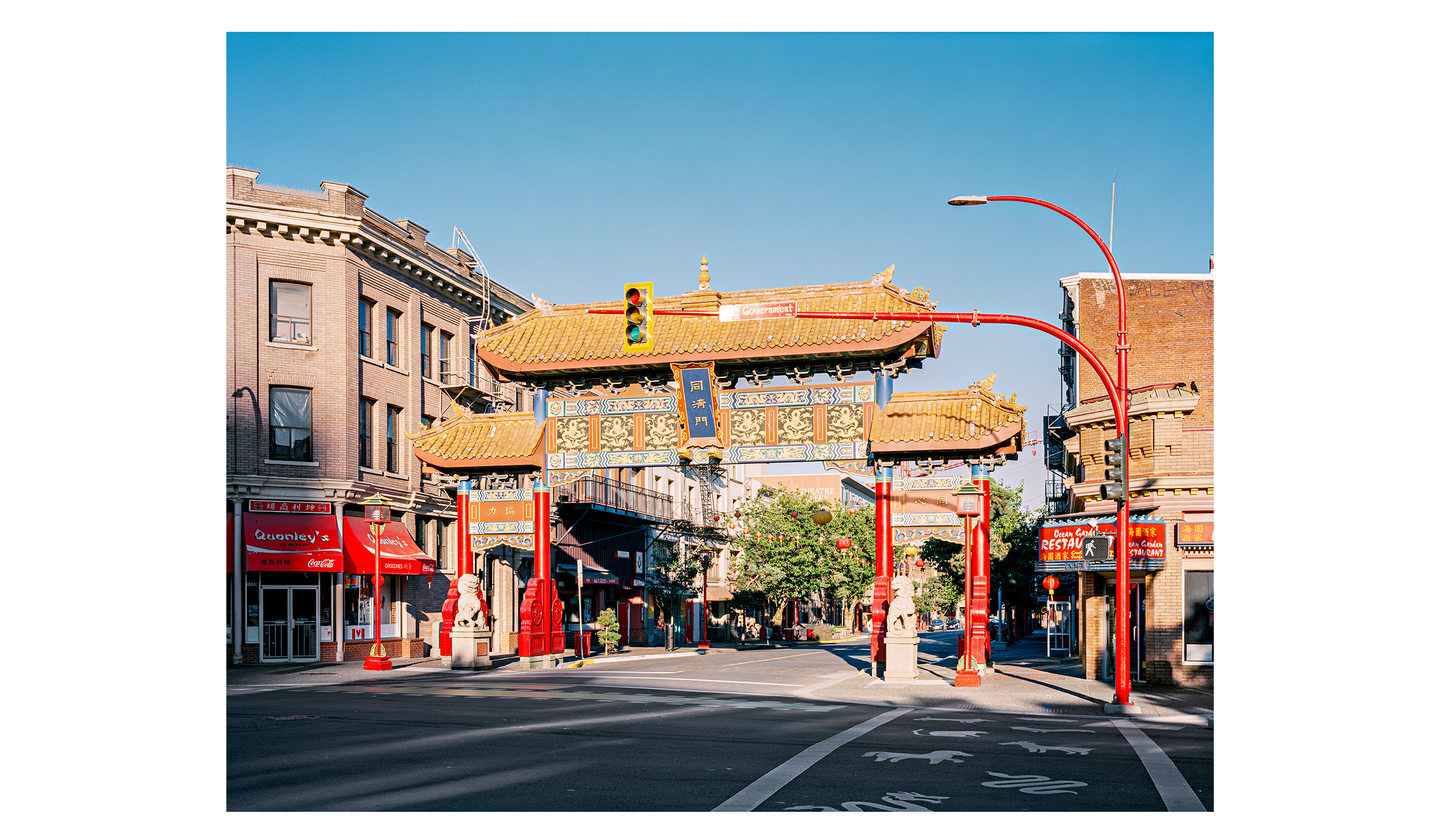
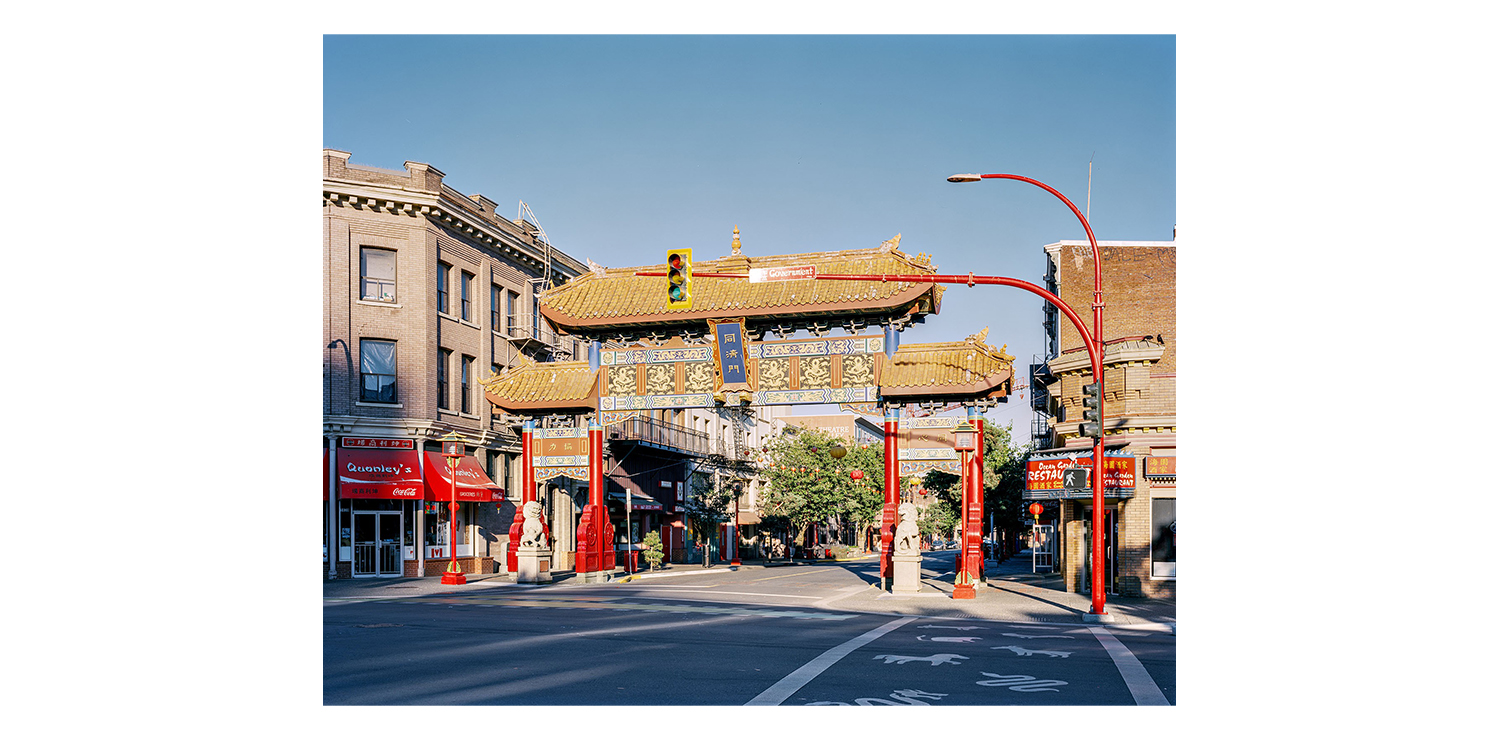
Gate of Harmonious Interest, Victoria, 2023
photographic print on Hahnemühle Photo Rag® Bright White Paper using Epson archival inks
40 x 50 inches
Museum of Art Collection Trust, 2026
The artist acknowledges the support of:


Curated by: Yan Wu
August 25, 2026 – December 04, 2026
PAST EXHIBITIONS

FEATURED PUBLICATIONS
-
ELEMENTAL
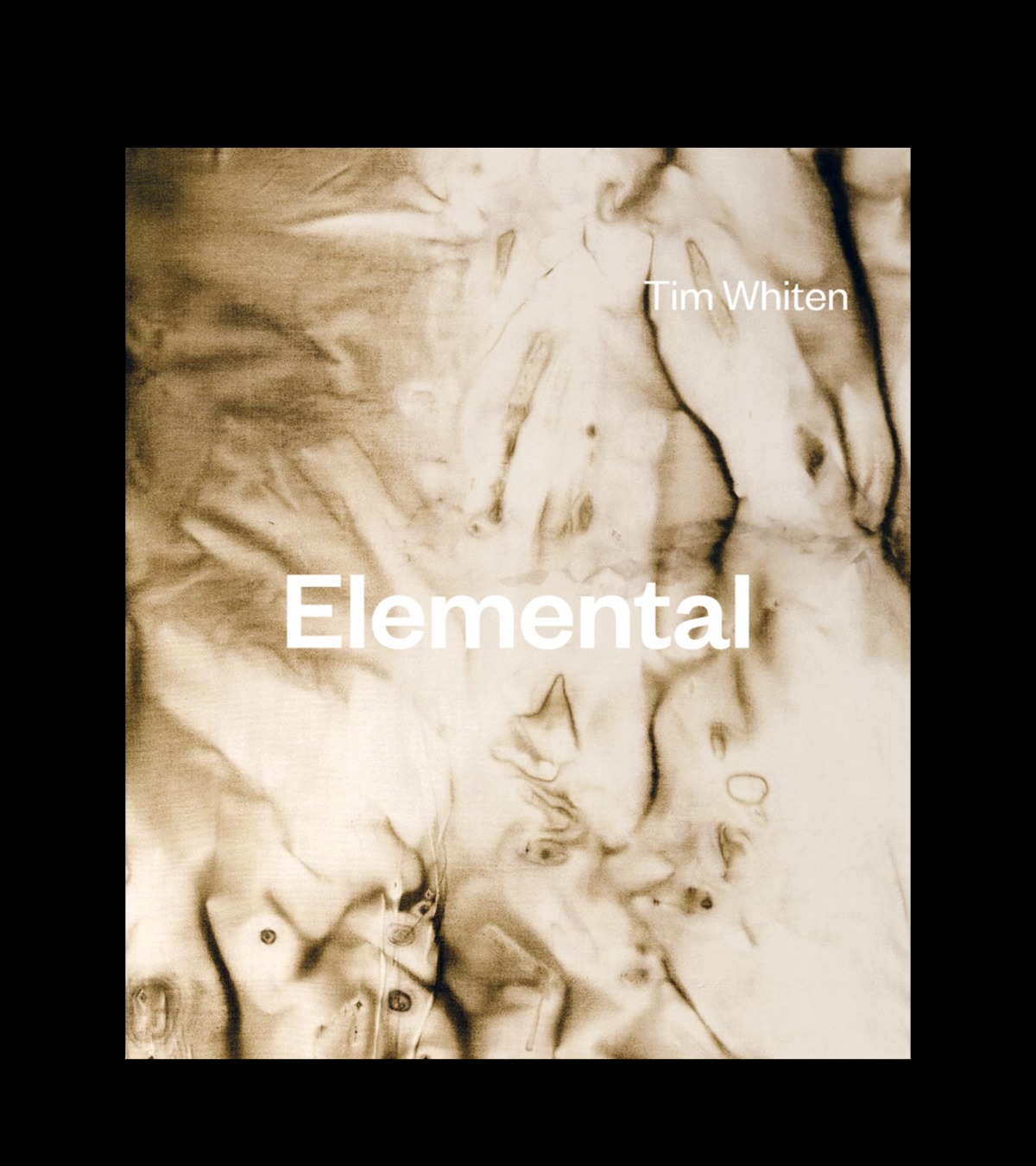
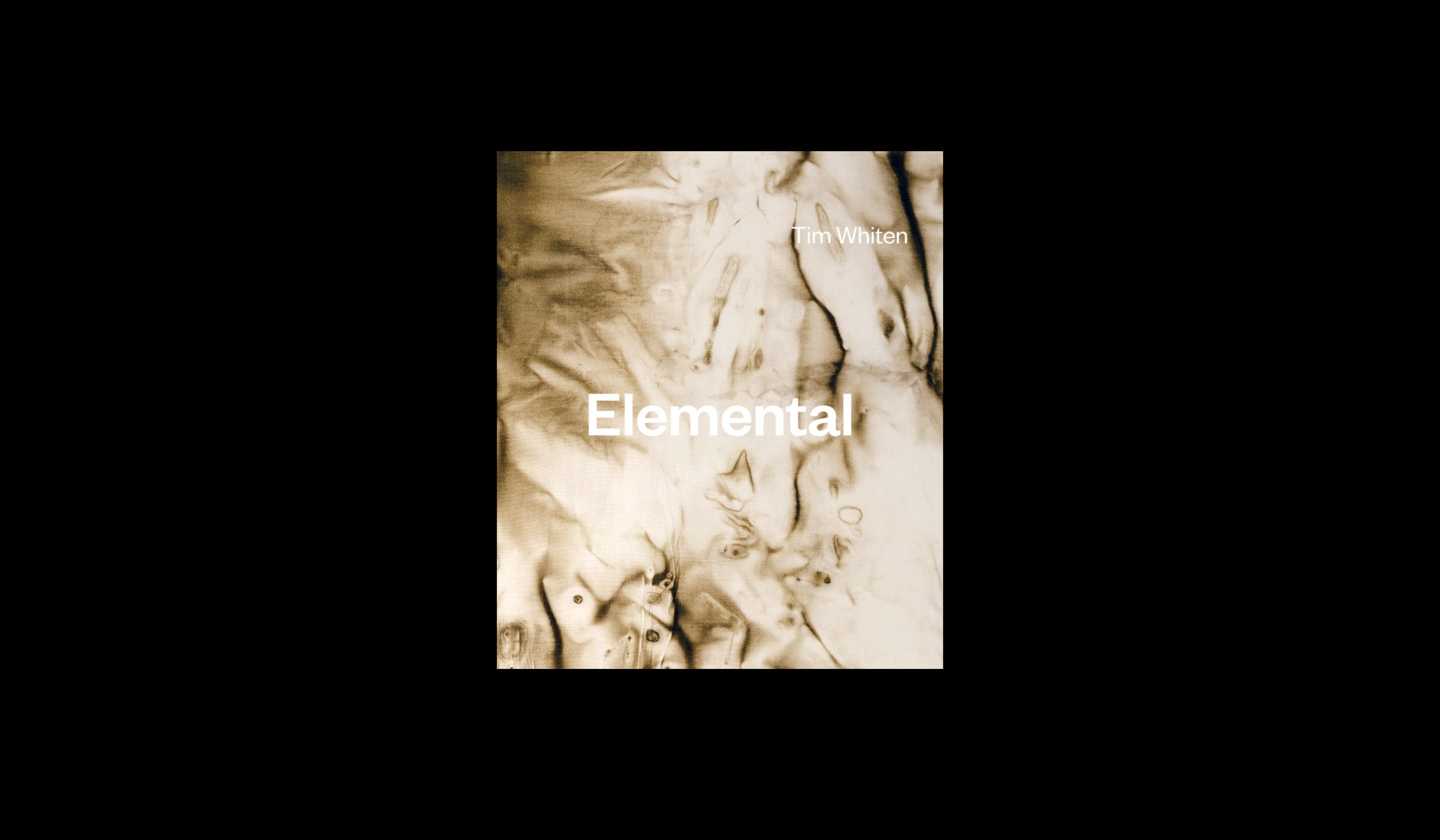
Over 2022 and 2023, a series of four exhibitions of the work of Tim Whiten, curated by four different curators, took place at four different galleries in southern Ontario: the McMaster Museum of Art, curated by Pamela Edmonds; the Robert McLaughlin Gallery, curated by Leila Timmins; the Art Gallery of Peterborough, curated by Chiedza Pasipandoya; […]
-
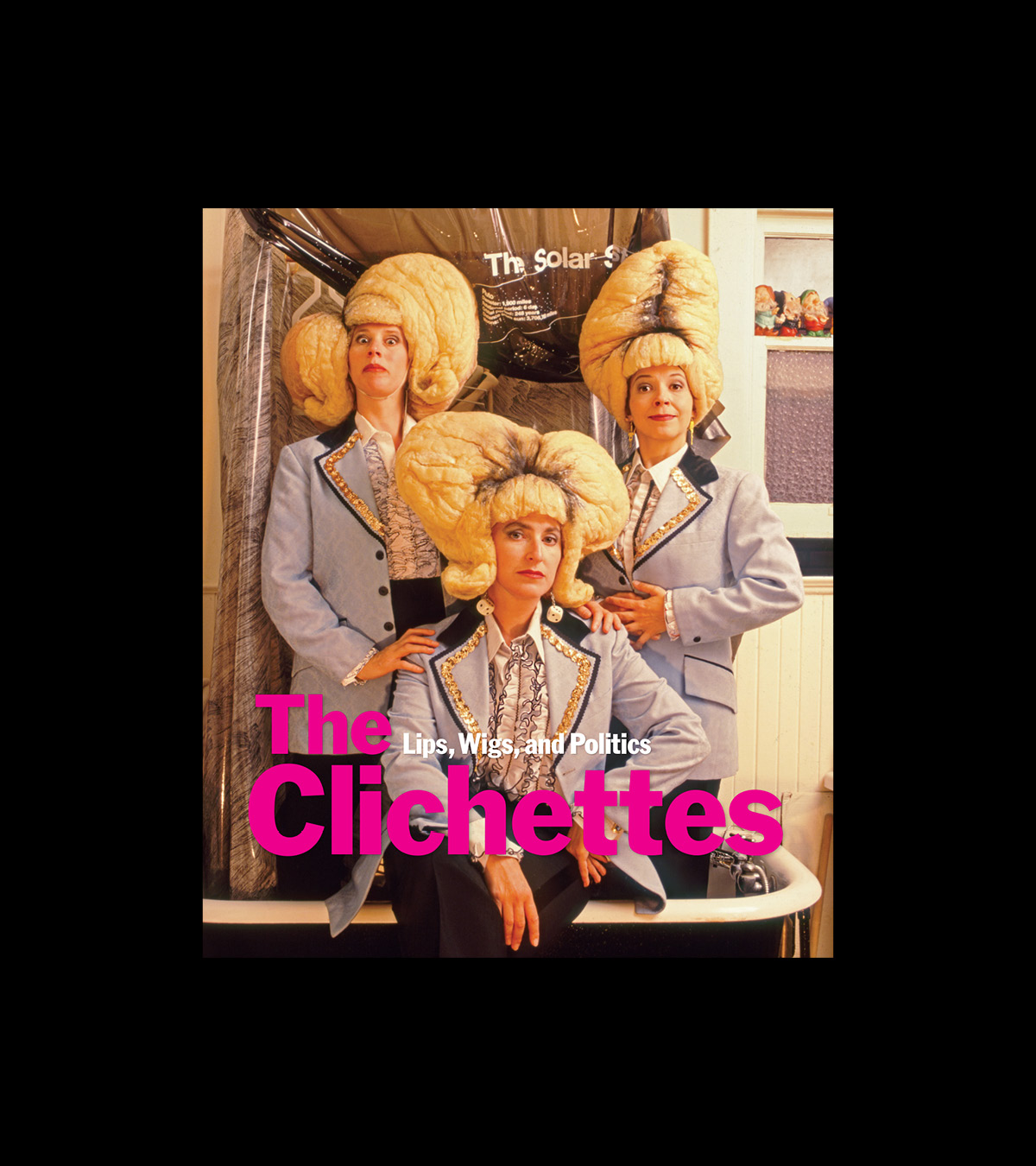
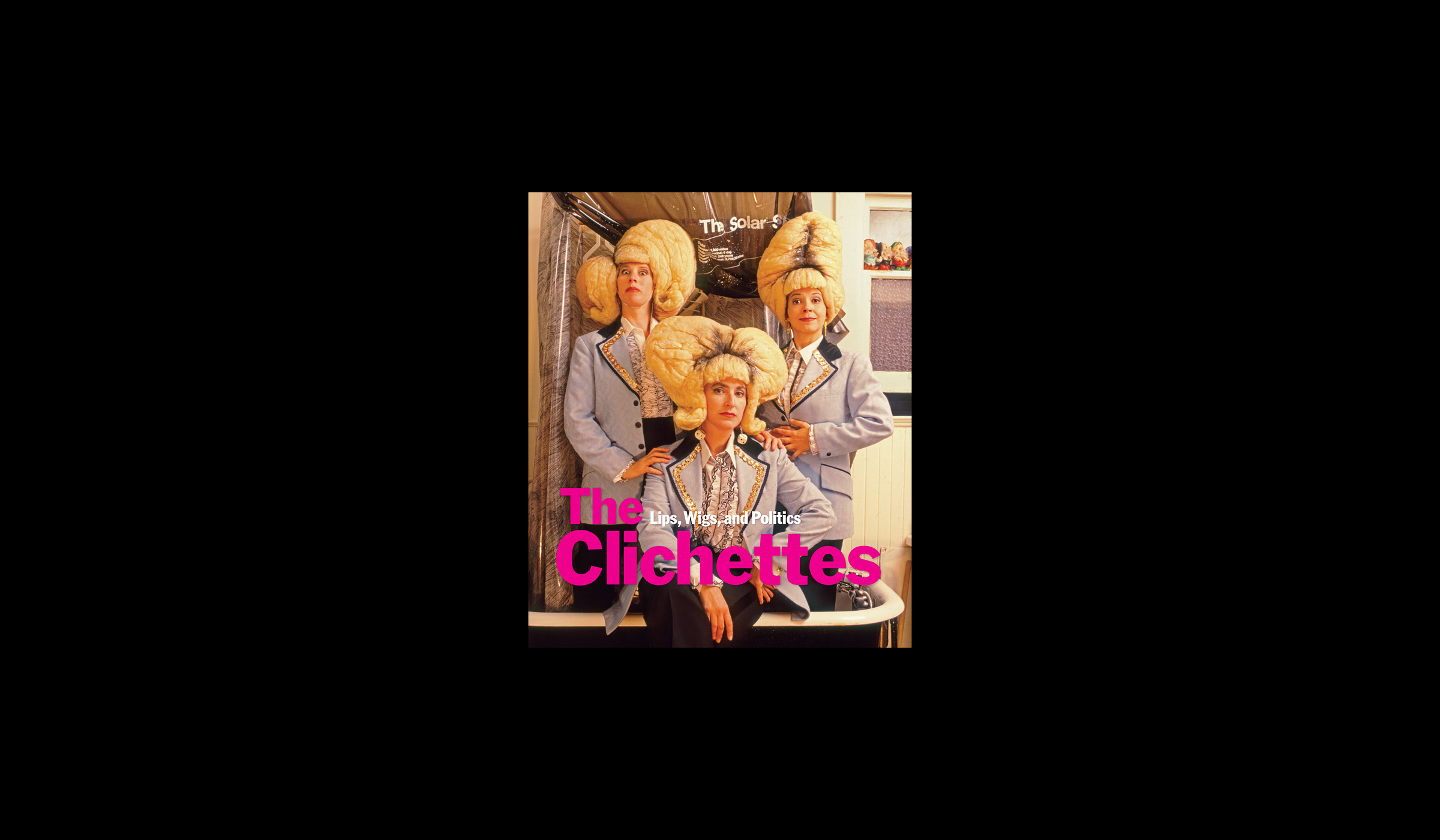
The Clichettes: Lips, Wigs, and Politics
Published on the occasion of the exhibition The Clichettes: Lips, Wigs, and Politics held at the McMaster Museum of Art (M(M)A) in Hamilton, Ontario in 2024. With essays by Ivana Dizdar, Marni Jackson, John Greyson, Alexandra Schwartz, Mark Kingwell, rl Goldberg, Lillian Allen, and Wanda Nanibush. Bridging theatre, lip-sync, dance, drag, costume, and comedy, the […]
-
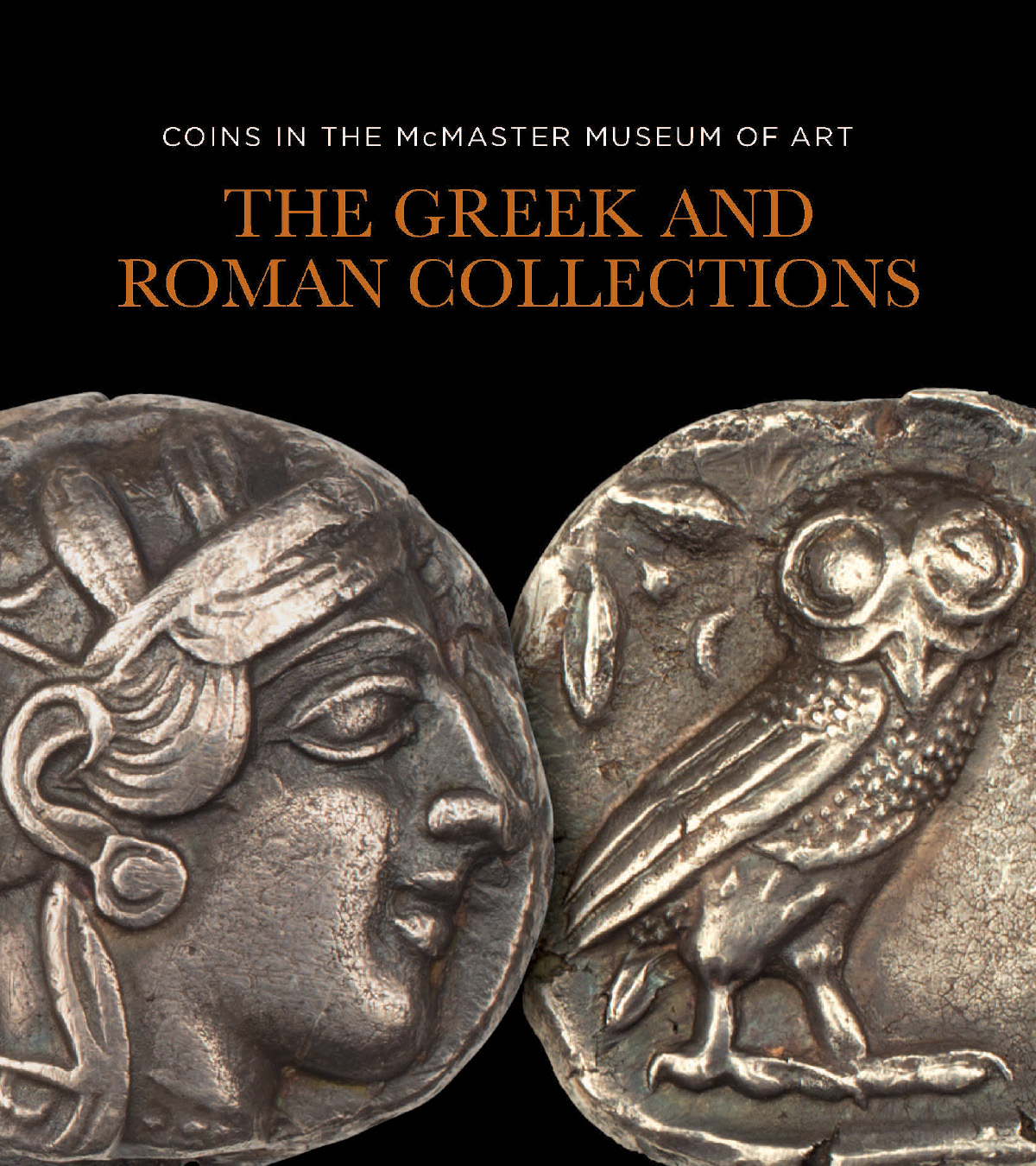
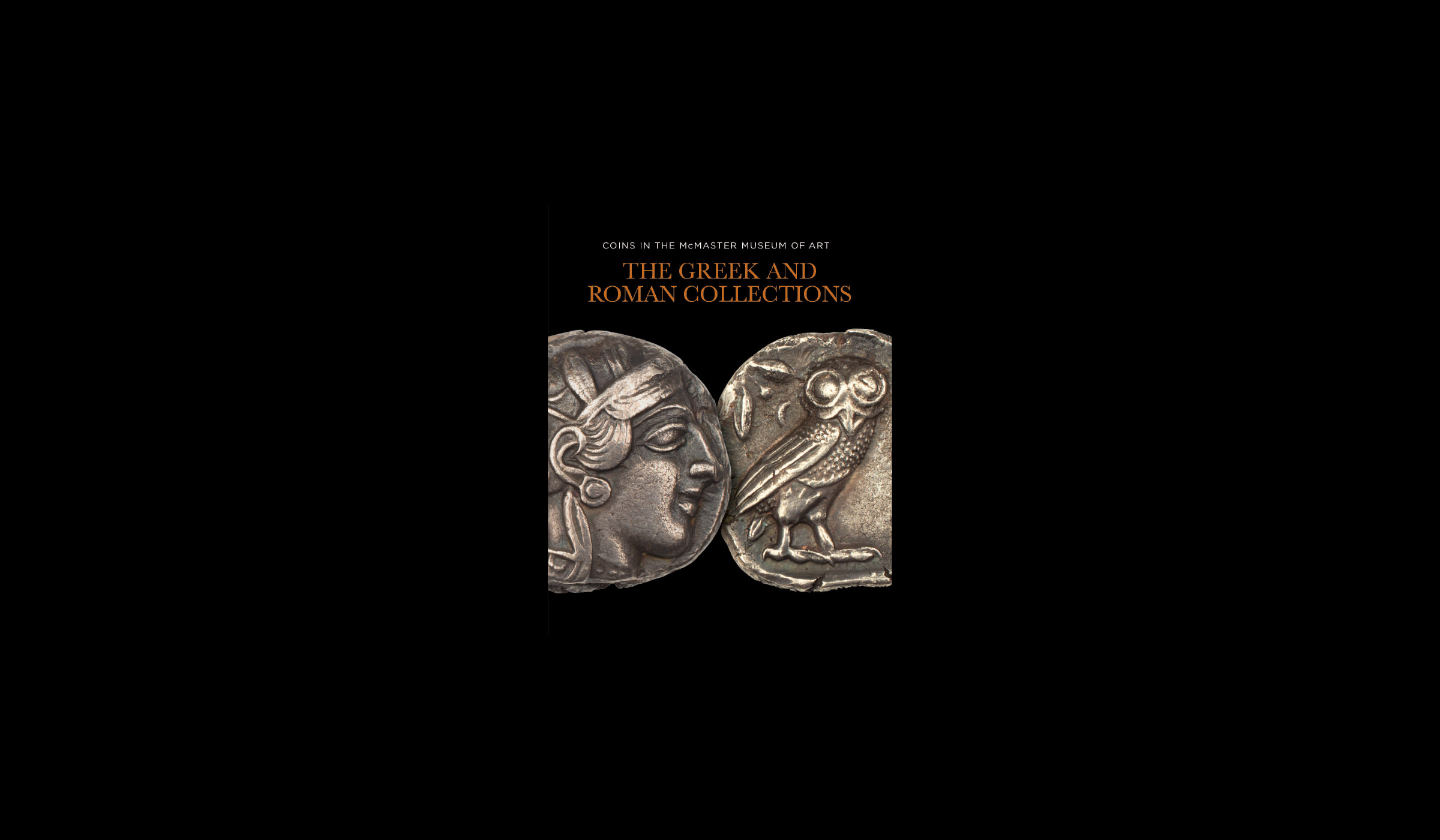
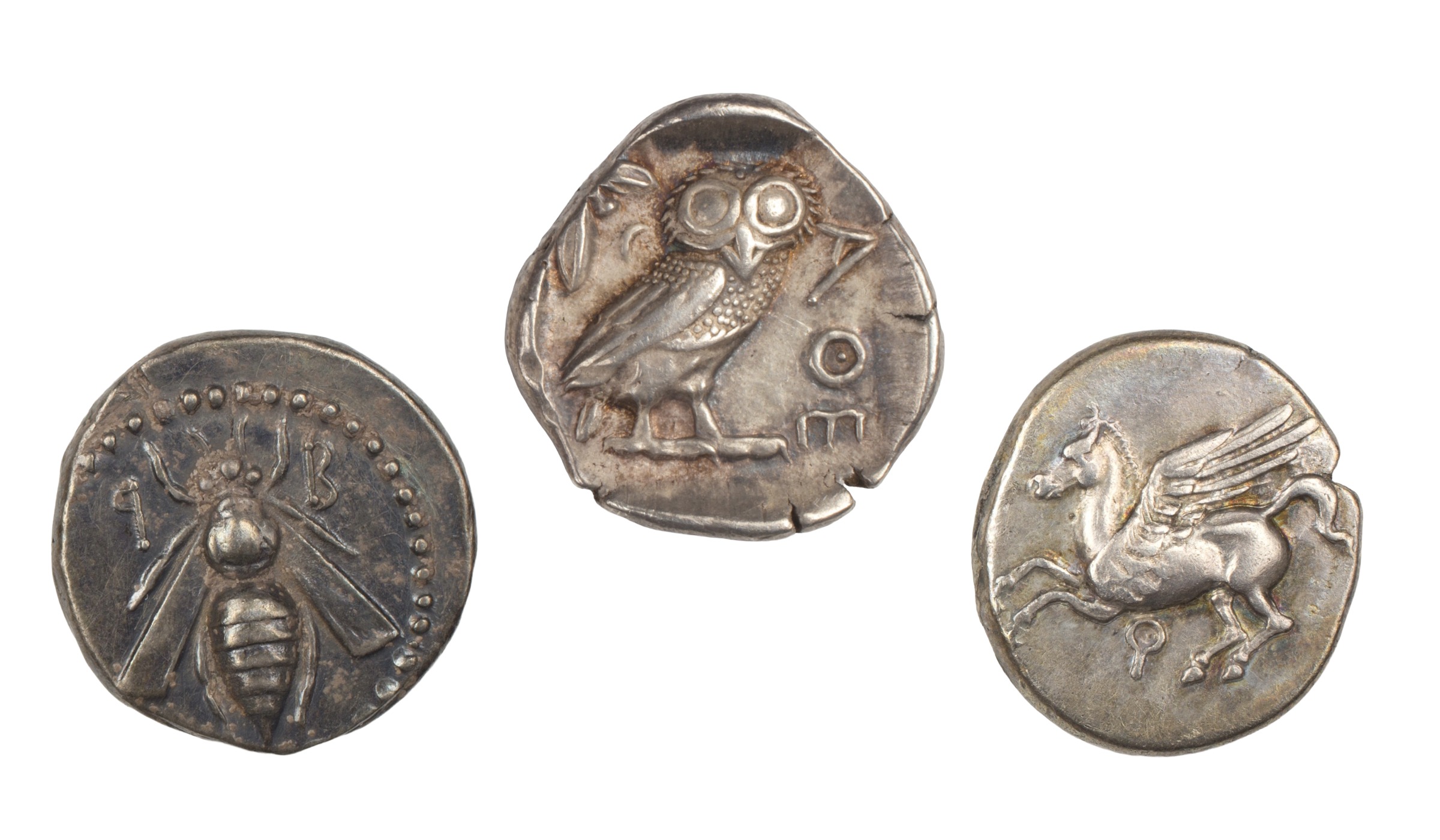
Coins in the McMaster Museum of Art: The Greek and Roman Collections
Ancient Greek and Roman coinage represents the intersection of politics, economics, and art; no other medium in the ancient world more closely reflects the decisions of administrations, the expectations of civic bodies, and detailed craftspersonship. Coins are among the most ubiquitous artifacts from Classical antiquity and despite their small size, are among the most instructive […]
-
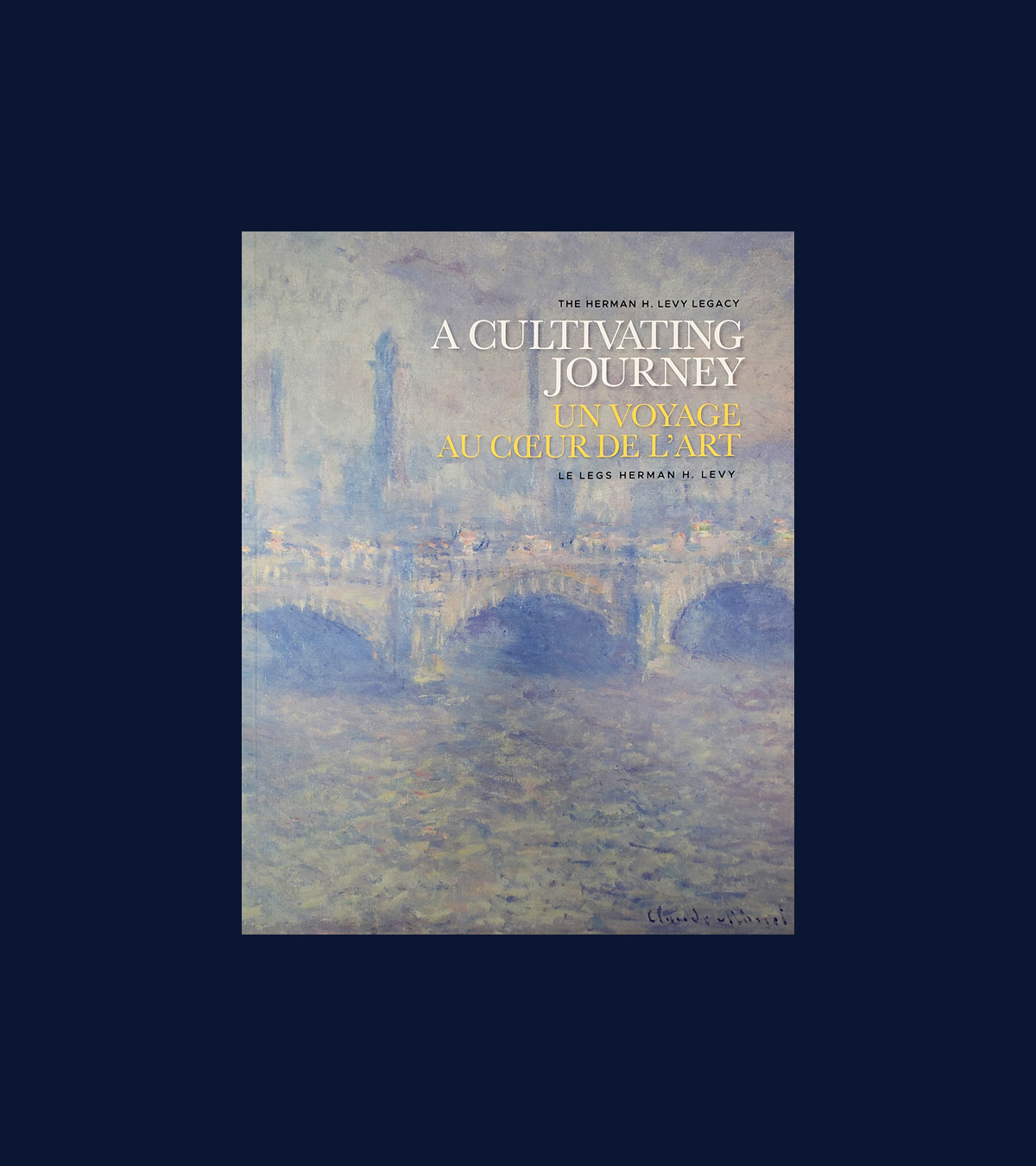
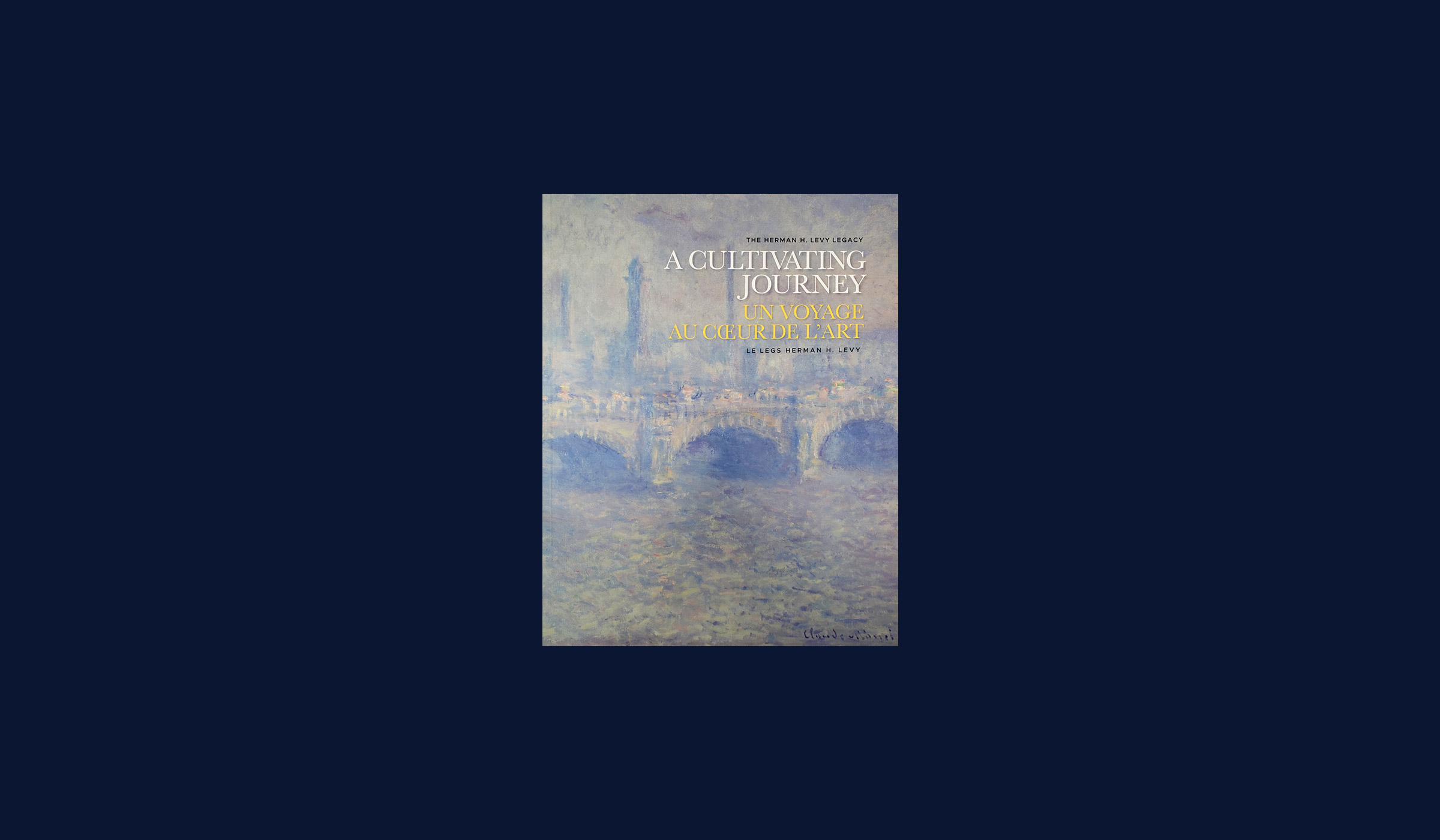
A Cultivating Journey: The Herman H. Levy Legacy
A Cultivating Journey examines the collection of significant European historical and modern art donated to the McMaster Museum of Art by Herman Levy in 1984.
SUBMISSIONS & ASSISTANCE
SUBMISSIONS:
The McMaster Museum of Art is presently not accepting artists’ submissions for exhibitions at this time of leadership change at the museum. Our Interim Director will be undertaking a review of the museum’s forward exhibition schedule, as well as our policies and procedures, in the coming months. Our present focus is the ongoing maintenance of our permanent collection and storage needs for future collection activities.
The museum remains committed to our collecting priority in the continued support of early career, mid-career and established Indigenous artists, artists of the Black diaspora and racialized artists through purchases and commissions. Donations will be welcomed and reviewed at a future date which will be posted on our website.
ASSISTANCE:
The McMaster Museum of Art is a third party recommender for Ontario Arts Council (OAC) Exhibition Assistance Grants.
The museum is currently accepting applications. Our next program deadline is: December 16, 2024.
Priorities:
Artists who demonstrate an interest and consideration of art as a medium for social change and action.
Please follow the guidelines established by the Ontario Arts Council, apply directly through their website, and submit the following with your applications:
Brief artist statement
Confirmation letter from the gallery/museum/venue
Budget
CV
Digital images of work