Adventures in Art Education with a GPS
August 23, 2012
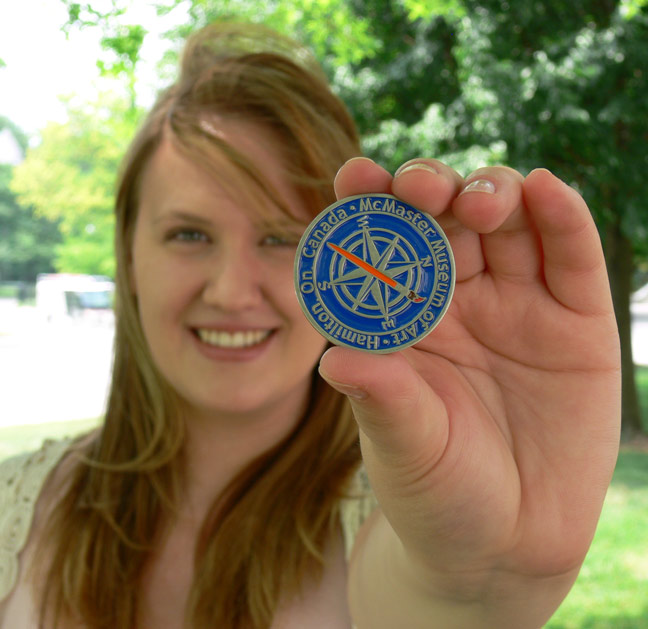
Geocaching is an outdoor treasure hunting game in which participants use a GPS device to navigate to a set of coordinates where a container is hidden, but it’s also being used as a way to educate people about art and culture and to promote tourism. Its potential reach — the ability, for example, to have a Norwegian schoolteacher learn about a Spanish painter in a cave in Iceland — is what attracted McMaster University’s art museum.
That’s an excerpt from the latest issue of Canadian Geographic, which features a story by Kenza Mollar about geocaching and specifically, McMaster Museum of Art’s Art Adventures geocoins. These specially minted coins, each named for an artist represented in McMaster’s art collection, have been travelling the world; being discovered, logged and moved closer to their destinations (their individual artist’s birthplace) by hundreds of outdoor adventurers. Read the full article here: Art Tourism – Hide and geo-seek
So far, eight of the nearly 40 Art Adventure coins have reached their goal. The furthest distance? The Matisse Geocoin has logged more than 27,873 km, to 688 caches… and it’s still going. Its travels are mapped below.


Art as the Fifth Pillar of Health: Patricia Bovey to Deliver Keynote Lecture
September 17, 2026
Fall 2026 Exhibitions at the McMaster Museum of Art
September 4, 2026
Connected Histories, Research, and Archives—Interview with Nnamdi Nnake
September 1, 2026
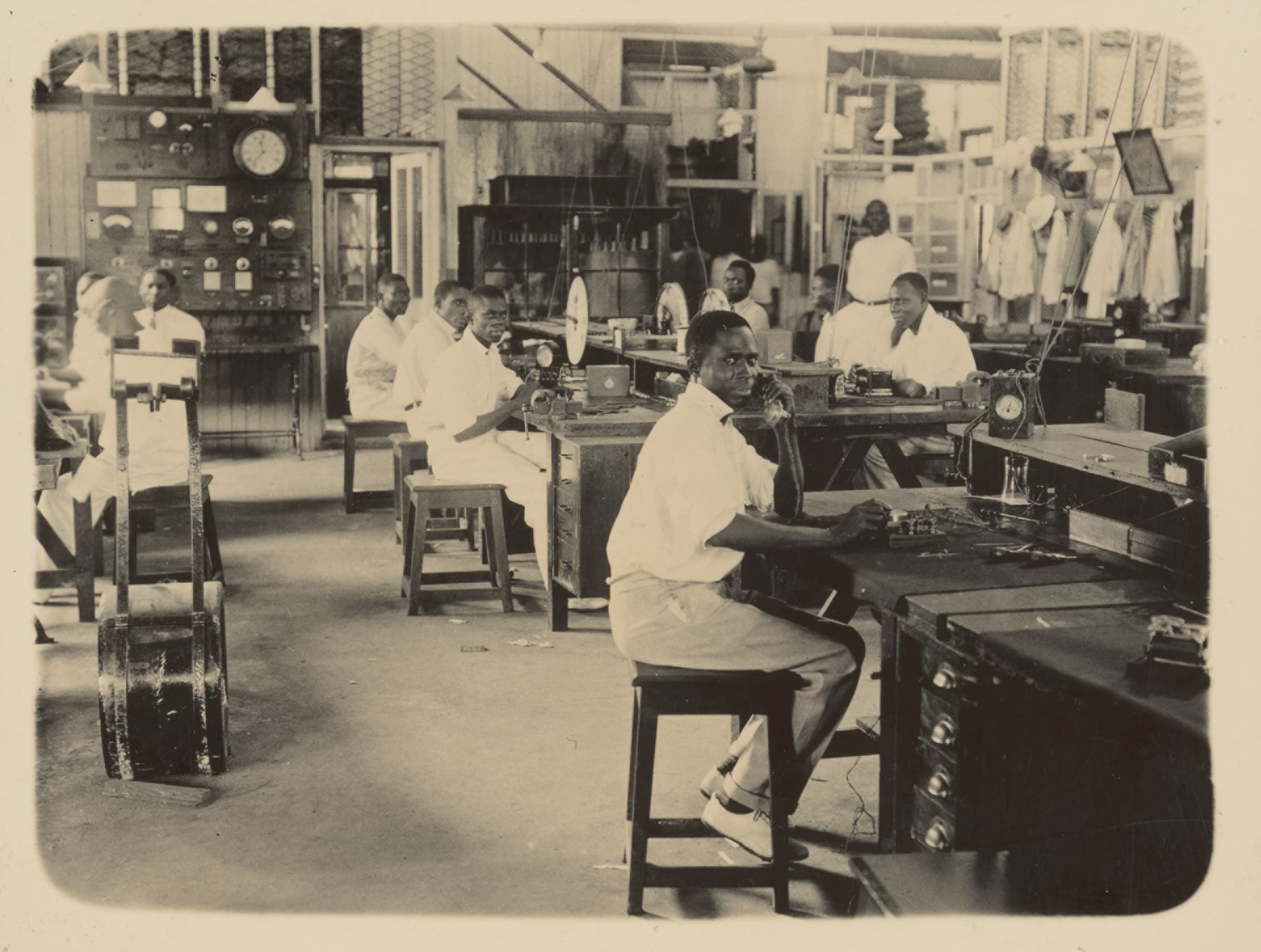
What stories can the telegraph tell? More than a century after telegraph lines began to stretch across Nigeria, Connected Histories: The Telegraph in Nigeria invites visitors to take a fresh look at a technology that helped shape modern communications, colonial governance, labour, and everyday life. Drawing on the doctoral research of McMaster University PhD candidate Nnamdi Nnake, the exhibition brings together rare artifacts, archival […]