The best buys in the Baroque
November 26, 2013
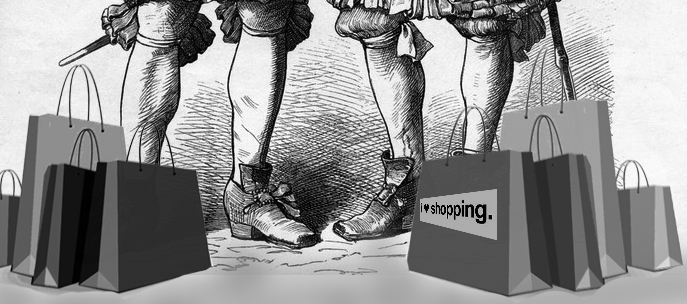
Consumption as Redemption
The temporal distance of centuries can sometimes fool us into thinking we are different from those who have come before; we’ve changed since then, we think and act differently. This is not always so, and the stories art can tell us demonstrate the parallels between how we move through and make sense of the world today, and how other groups of people did so centuries ago.
One of the curatorial focuses of the Worldly Possessions* exhibit is the role consumption of artwork played in the everyday life of the middle-class, Baroque-era consumer. These people were part of a newly emerging class in society; one that made its money on the booming spice trade. This trade was filled with violence, and this violence was no secret to the safe, increasingly-wealthy merchants in Europe. This knowledge created a tension between their manner of income and religious morals; it was very important to be a good Christian, and to participate in a trade with violence and murder as a consequence was certainly a moral dilemma. So, how to alleviate this issue?
The newly-gained wealth bought artwork, and artwork acted as a manner of moralistic improvement; it offered a bettering-of-self to the viewer, and thus was more than simply wall decoration or a display of riches. The Dutch Golden Age of art produced works that gave the viewer/owner something new, beautiful, self-reflective, and absolving.
This is not unlike the relationship we have today with certain products or retail options. We are aware of moral questions raised by shopping at places with dubious labour practices or purchasing expensive products that contribute to environmental problems, but the item itself becomes a tool for our absolution. We demand products that are new, beautiful, and self-reflective. The argument could certainly be made that access to and knowledge of current technology is vital to your life in the 21st century workforce. Your new laptop serves as a way to better-the-self, ensuring you are participating in popular culture and giving yourself the tools to move forward in life.
These parallels can even be extended to something we think of as highly contemporary: the selfie. Recently announced as word of the year by Oxford University Press, the selfie is a declaration of self, a channel through which you can demonstrate your personal agency and definition, and a way of recording yourself and your life. Portraits of the Baroque era acted in the same way; capturing for posterity the contemporary people and world, family members, events, relationships, clothing.
One more parallel demonstrates our closeness to people over 400 centuries ago: this painting could certainly be called one of the first Instagram foodie pics ever!

-Teresa Gregorio, Information Officer, McMaster Museum of Art
*The Worldly Possessions exhibition examines 17th century society and attitudes about ownership and possession through a selection of Baroque still life paintings, portraits and genre scenes from the Museum’s collection. It is on view until January 25, 2014.

Art as the Fifth Pillar of Health: Patricia Bovey to Deliver Keynote Lecture
September 17, 2026

Fall 2026 Exhibitions at the McMaster Museum of Art
September 4, 2026
Connected Histories, Research, and Archives—Interview with Nnamdi Nnake
September 1, 2026
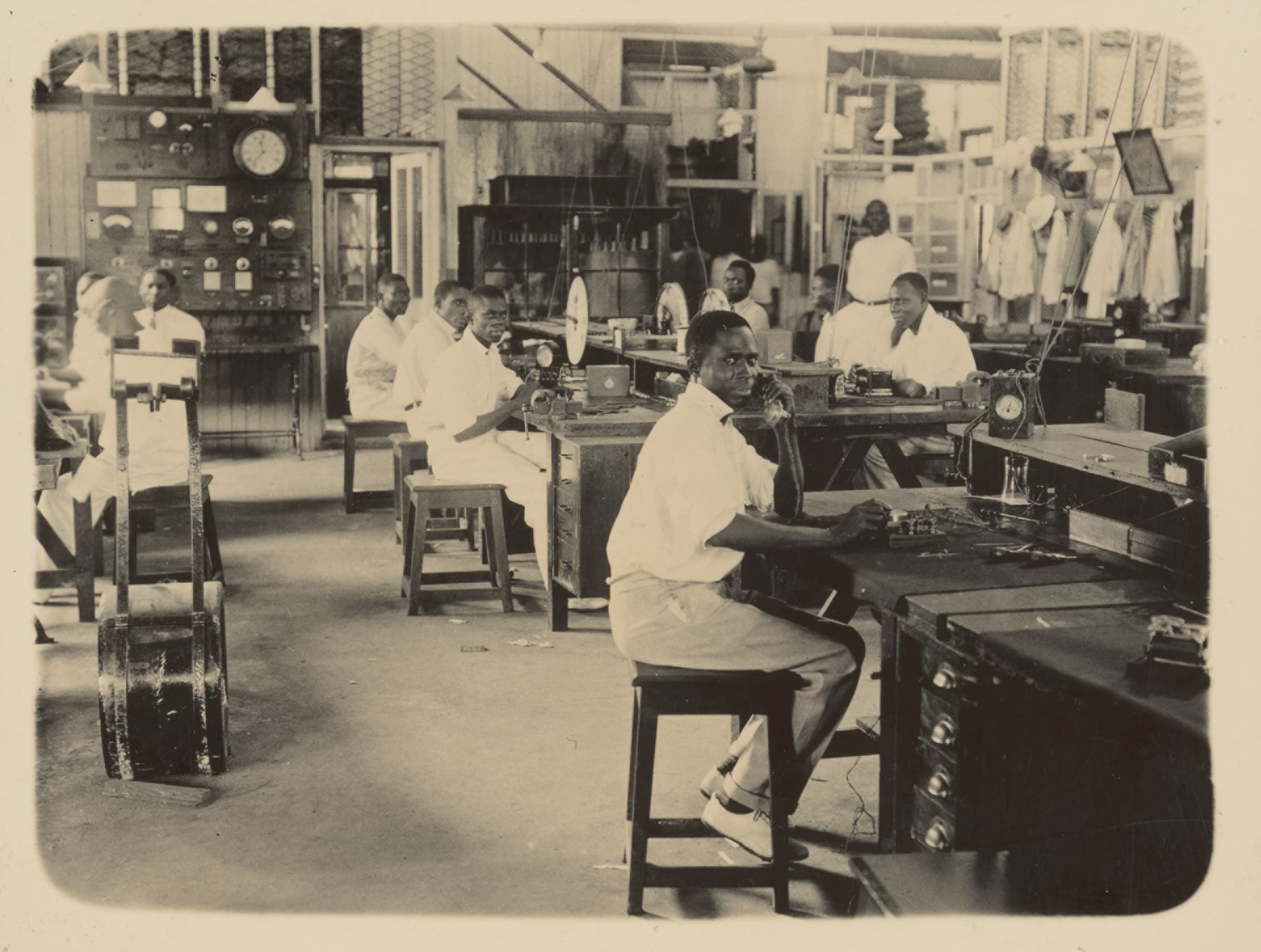
What stories can the telegraph tell? More than a century after telegraph lines began to stretch across Nigeria, Connected Histories: The Telegraph in Nigeria invites visitors to take a fresh look at a technology that helped shape modern communications, colonial governance, labour, and everyday life. Drawing on the doctoral research of McMaster University PhD candidate Nnamdi Nnake, the exhibition brings together rare artifacts, archival […]