Reflections on Platon’s Mirror
February 25, 2013
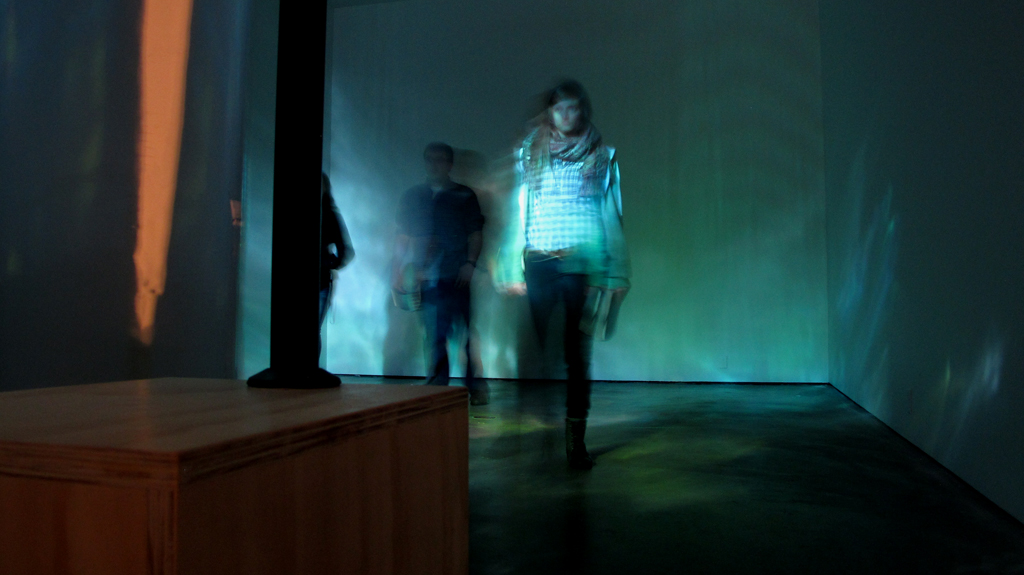
Watching visitors discover Mischa Kuball’s Platon’s Mirror is amazing. The installation is immersive, layered and enigmatic and requires time spent unraveling these layers of light to determine what are clear and real images.
Kuball, influenced by Plato’s (‘Platon’ in German) Allegory of the Cave, wants us to consider the reality of the things we see and acknowledge how we feel about the things we cannot see. Do we believe that things we cannot see exist at all? Do we take the time to try and find out if they exist or trust what others tell us?
Platon’s Mirror is like an experiment – who takes the time to discover the source of the dancing light and who just remains still, basking in its mesmerizing beauty? Admittedly, I stand mesmerized and enjoy the light.
– Nicole Knibb, Education Co-ordinator, McMaster Museum of Art

ZKM, Karlsruhe © Onuk.

Art as the Fifth Pillar of Health: Patricia Bovey to Deliver Keynote Lecture
September 17, 2026

Fall 2026 Exhibitions at the McMaster Museum of Art
September 4, 2026
Connected Histories, Research, and Archives—Interview with Nnamdi Nnake
September 1, 2026
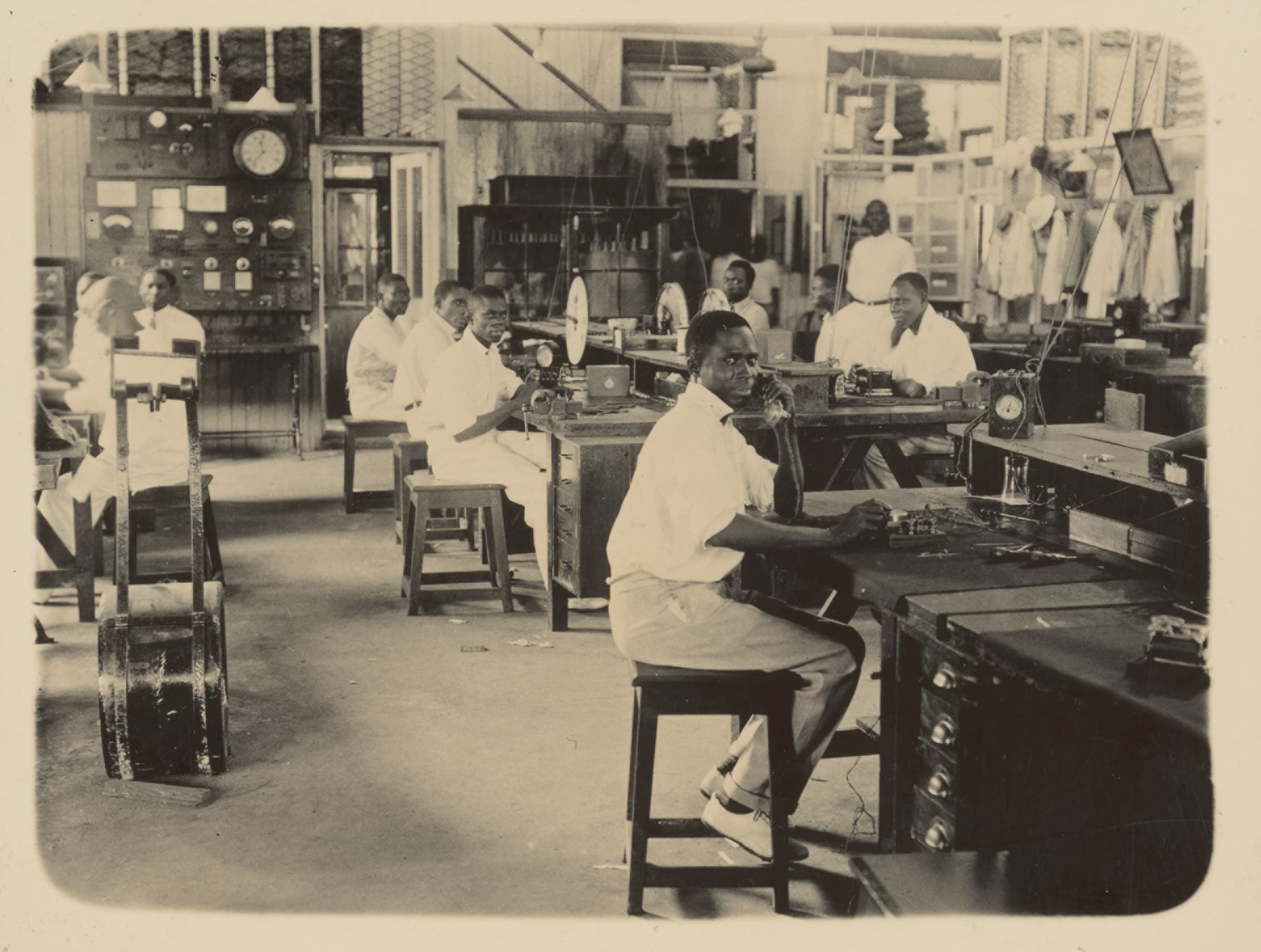
What stories can the telegraph tell? More than a century after telegraph lines began to stretch across Nigeria, Connected Histories: The Telegraph in Nigeria invites visitors to take a fresh look at a technology that helped shape modern communications, colonial governance, labour, and everyday life. Drawing on the doctoral research of McMaster University PhD candidate Nnamdi Nnake, the exhibition brings together rare artifacts, archival […]