Museum Education Programs: On Learning Styles and Apple Pigs
May 22, 2013
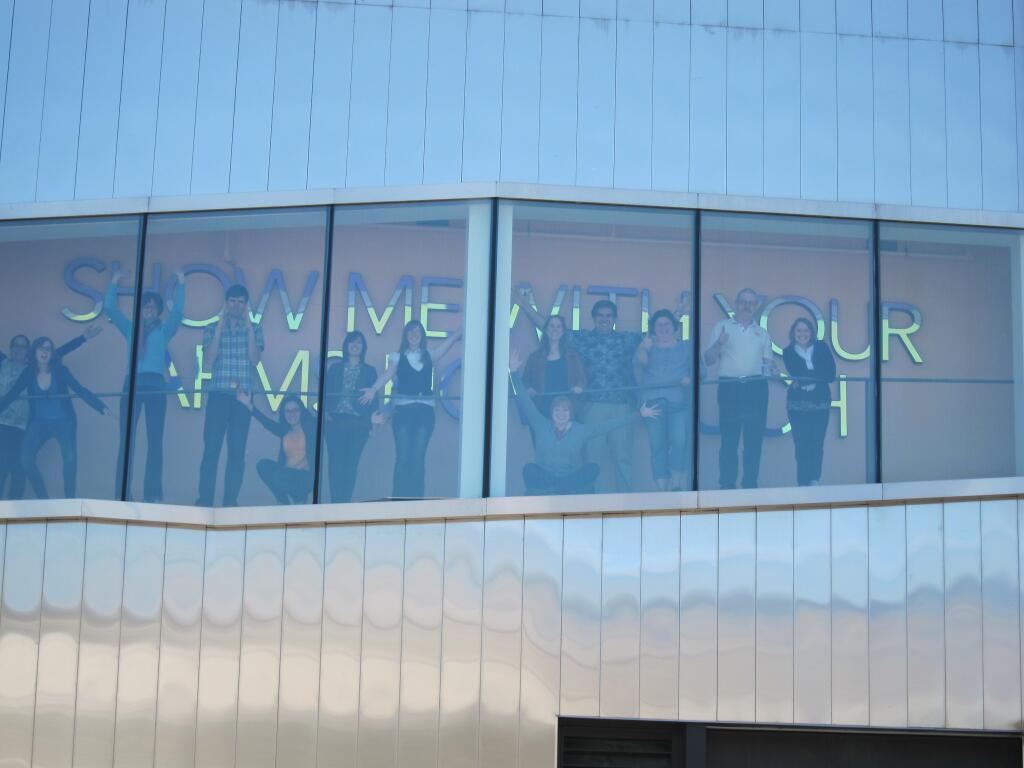
I just returned from an intensive, 3-day course in Sarnia with the Ontario Museum Association. It was their Education Programs course, part of their Certificate in Museums Studies.
Held in the beautiful new Judith & Norman Alix Gallery, the instructor Melissa Wakeling from Glanmore National Historic Site was a wonderful facilitator, introducing great concepts and modeling best practice throughout! (that is, teaching to all possible learning intelligences).
Here, I thought I’d share with you a few of the great take-aways from the course:
Know your learning style. While this may seem self-indulgent, knowing your preferred learning style will help you recognize any preference you may have when constructing programs and activities. What you think is a great activity may only be working with your preferred learning style.
Assess your learning style here.
Beware apple pigs! That is, make sure your museum’s mandate is always connected to your programming. Create activities accordingly. It’s a baseless activity for a heritage village museum to stick marshmallows on an apple in the shape of a pig for a harvest-themed program (unless, of course, you can find early settlers who did this with their precious produce!)
Feed ’em, teach ’em, entertain ’em. Adults learn differently from children. They’re also motivated by different factors. Want to get adults in to your museum? Feed ’em, teach ’em, and entertain ’em.
Curriculum, curriculum, curriculum! Teachers are busy people. We want them in our museums, and we can make it easier for them to come here by adding value to our programs and marketing that will appeal directly to them. Teachers need to justify their field trips: make clear connections to curriculum. Even better (for all you keeners), make a rubric for your program. Allow the teacher to stand back and have the chance to observe the class. And, with a handy rubric, they can grade the students easily. And certainly, speak their language! We all have insider-speak; if you use the glossary (found in the Ontario Curriculum), then the teacher (and students!) can very easily make connections to what they’re doing in class.
– Teresa Gregorio
Teresa Gregorio is Information Officer at the McMaster Museum of Art and Co-Coordinator of Hamilton-Area Museum Educators (HME).

Art as the Fifth Pillar of Health: Patricia Bovey to Deliver Keynote Lecture
September 17, 2026
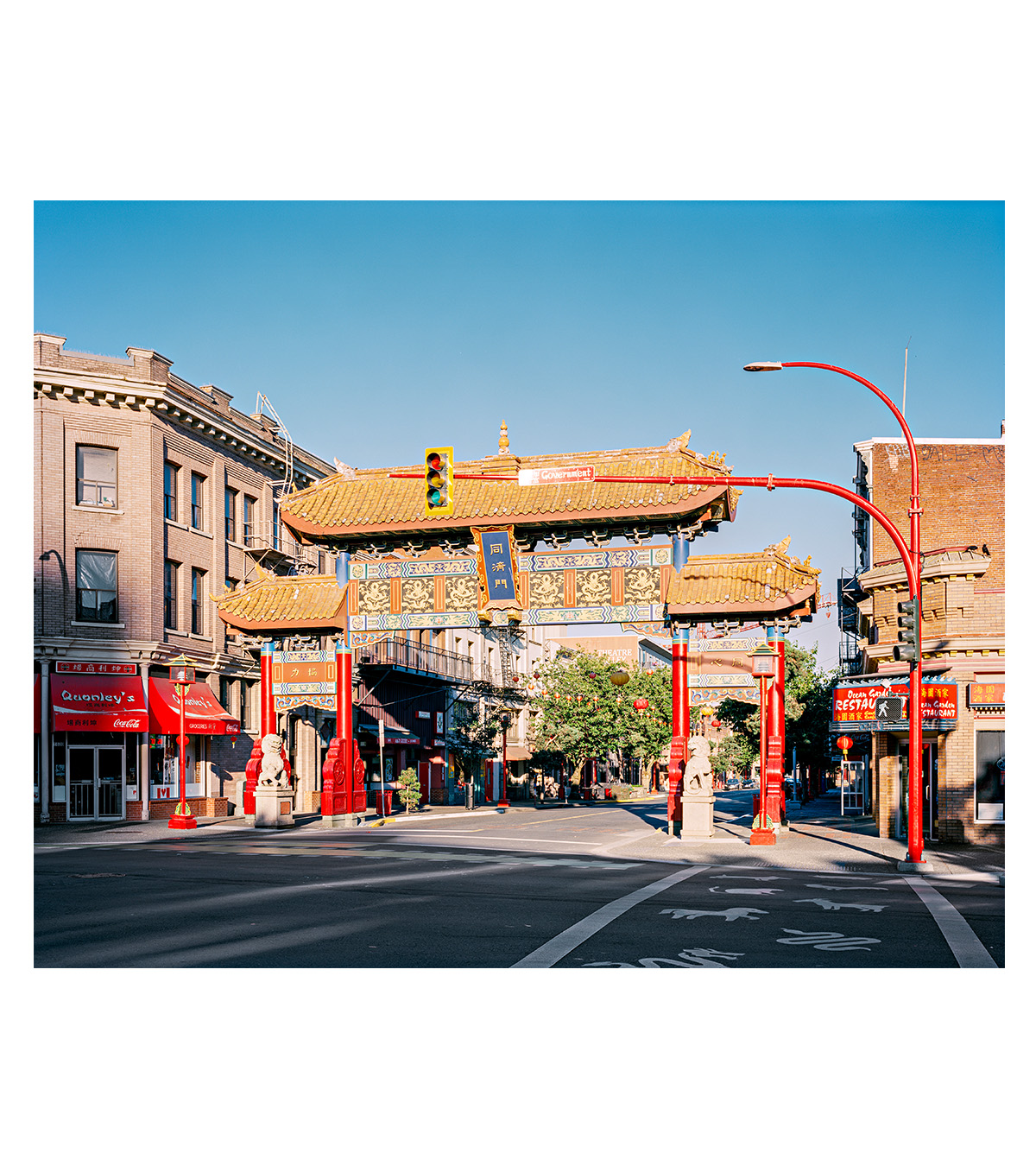
Fall 2026 Exhibitions at the McMaster Museum of Art
September 4, 2026
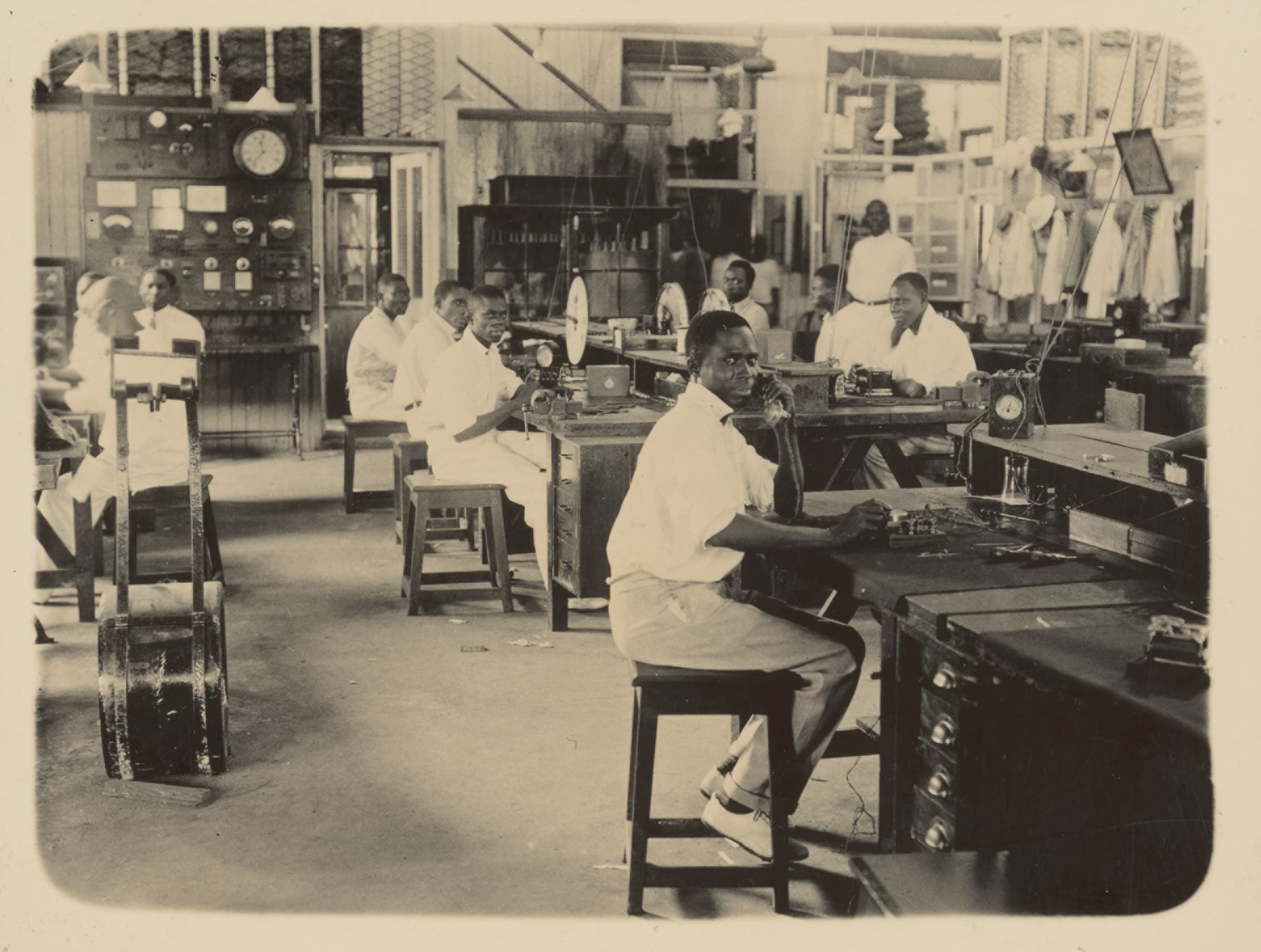
Connected Histories, Research, and Archives—Interview with Nnamdi Nnake
September 1, 2026
What stories can the telegraph tell? More than a century after telegraph lines began to stretch across Nigeria, Connected Histories: The Telegraph in Nigeria invites visitors to take a fresh look at a technology that helped shape modern communications, colonial governance, labour, and everyday life. Drawing on the doctoral research of McMaster University PhD candidate Nnamdi Nnake, the exhibition brings together rare artifacts, archival […]